


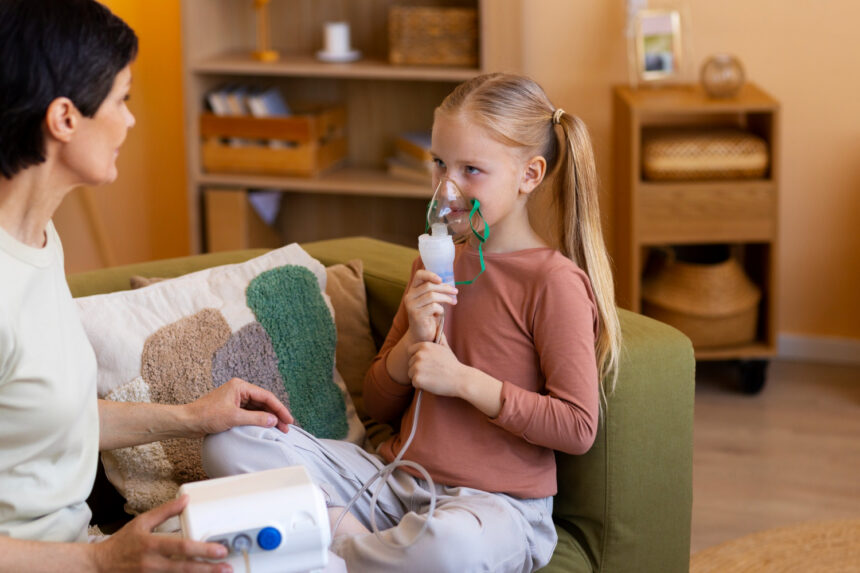
Asthma can feel scary to a child. Even when the symptoms are mild, their unfamiliarity with the condition can make them worry. To help ease that uncertainty, parents can take an active role in shaping how their children understand what’s happening. Handling these discussions with care can reassure kids so that they feel less anxious when symptoms show up, and make it easier for them to speak up, ask for help, and follow routines without feeling singled out.
While explaining asthma to a kid can be challenging, there are practical ways to make the conversation simpler. Here are some things you can do to help your children with asthma understand their condition better.
Use Simple Words When Explaining Asthma
Any topic makes more sense to kids when it’s explained to them in a way they understand. When it comes to asthma, big medical terms can confuse them or make the condition sound worse than it is, which can leave them unsure about what their symptoms mean. Using simple words lowers that confusion. It keeps the conversation clear and reassuring, allowing children to stay calm and follow what’s happening.
One way to start is to explain what asthma feels like. Instead of focusing on medical labels or long explanations, you can describe the condition as the feeling when breathing gets tight, the chest feels heavy, or coughing won’t settle down. A short, straightforward description is easier for kids to remember. It also gives them language they can use to explain what they’re feeling to an adult.
Show Them How and When to Use a Nebulizer and Inhaler Correctly
Nebulizers and inhalers are important tools for asthma care, but to many kids, these devices can feel strange, noisy, or even a little scary at first. Their unfamiliarity with these tools can make them hesitant to use them when symptoms show up, affecting their comfort and confidence in managing their condition.
Showing kids how these devices function can make treatment feel more manageable and less stressful. For instance, walking them through each part of a nebulizer kit lets them understand what will happen during a breathing treatment. On the other hand, gesturing how to use an inhaler helps them learn the right timing for breathing in the medicine so it can work as intended.
While practicing, explain to them how asthma treatments can help the chest feel less tight and make breathing easier again. This way, children understand that the tools are there to help them, and they feel more willing to speak up when they need support.
Help Them Recognize the Early Warning Signs of an Asthma Attack
An asthma attack rarely starts at full intensity. The body usually sends small signals first, like a cough that won’t go away or a faint wheeze when breathing out. These early warning signs give people with asthma enough time to respond before symptoms get worse. However, many kids with asthma tend to overlook them because they still feel “mostly fine” or don’t want to stop what they’re doing.

This habit can delay support and make symptoms harder to manage once they build. To change that pattern, you can help kids recognize what the different early signs look like in their own body. One simple approach is repetition during calm moments, not during a flare-up. A short check-in after play or when a cough starts can help a child connect the “signal” to the label. Questions work best when they sound concrete and easy to answer. “Does your chest feel tight?” “Is your breathing noisy?” “Is your cough not stopping?” Over time, kids start noticing patterns without being prompted, and they become more likely to ask for help early instead of waiting until breathing becomes difficult.
Also Read : How Much Do Foster Parents Get Paid
Let Them Ask Questions and Take Them Seriously
Kids often hold back questions about asthma because they don’t want to seem dramatic or different. Some kids also worry that asking questions will lead to more rules or make adults angry. But inviting them to ask freely can make asthma feel less confusing and less intimidating. This way, children learn that support is always available and that their concerns won’t be dismissed.
Choose a relaxed moment to talk about asthma, like a quiet moment after school or before bedtime. A calm, low-pressure environment can make it easier for kids to open up. Use a steady tone when asking how they’ve been feeling, and encourage them to be honest with what they notice in their body. This can help you catch worries early and correct misunderstandings. Whatever question comes up, reassure them that it is okay to ask and that you’re glad they said something. Kids pick up on tone quickly, and when they feel heard, they tend to cooperate more.
Involve Them in Their Asthma Action Plan
Involving kids in their asthma action plan helps them know what to do before they feel overwhelmed. It also reduces fear because the plan becomes familiar, not some complicated set of steps. A simple way to start is to read the plan together and translate it into a few child-friendly lines. Focus on what they should do first and who they should go to for help to keep the next step clear when they feel uncomfortable.
A short practice run can also reinforce it. Simple rehearsals that incorporate key steps, such as sitting down, taking a break from play, and using their “help” phrase, can make the plan easier to follow when symptoms start.
Asthma can feel like a big, unfamiliar thing to children. However, it becomes less intimidating when they understand what’s happening and know what they can do to find relief. Steady guidance from parents and caregivers creates that sense of stability, giving children a stronger sense of control when symptoms show up. With consistent reassurance and support, kids can trust their own body cues and ask for support without hesitation, even if they’re in the middle of school or play.