



Walking pneumonia represents a milder variant of lung infection that allows most people to maintain their daily routines. Unlike traditional pneumonia that often requires bed rest, this condition earned its distinctive name because individuals remain mobile throughout their illness. The primary culprit behind this infection is typically Mycoplasma pneumoniae bacteria, though viruses and other bacterial strains can trigger it as well.
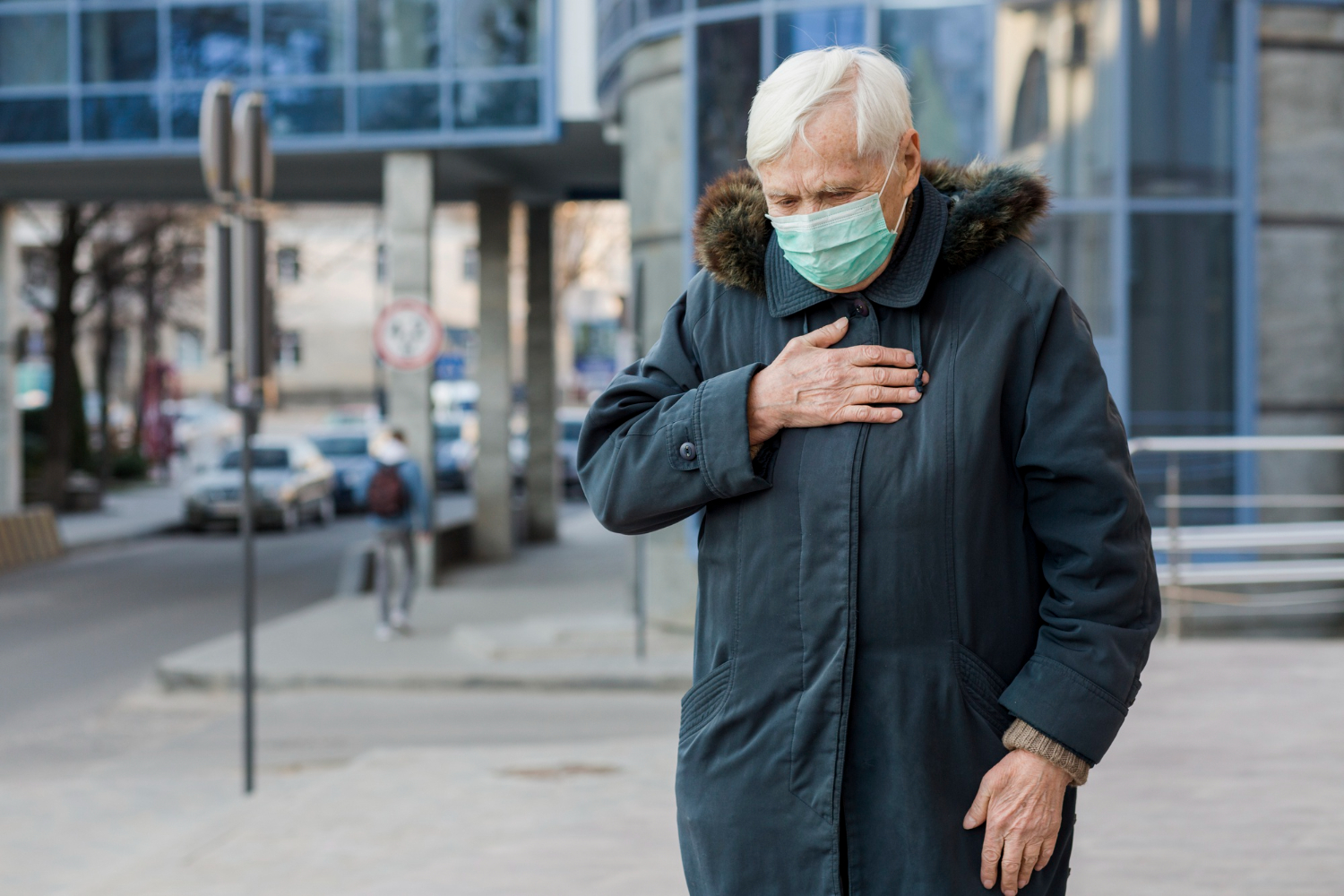
Children experiencing this condition rarely feel ill enough to miss school or activities. However, medical experts recommend staying home for several days while antibiotics begin working and symptoms start improving, even when feeling relatively normal.
Who Is at Higher Risk?
While walking pneumonia can affect anyone regardless of age or health status, certain groups face increased susceptibility:
- Infants and toddlers under 2 years old
- Senior citizens aged 65 and above
- Individuals with compromised immune systems or those taking immunosuppressive medications
- People diagnosed with chronic obstructive pulmonary disease (COPD)
- Those managing asthma or emphysema
- Residents or workers in densely populated environments like schools, college dorms, care facilities, or military installations
- Tobacco users
- Regular users of inhaled corticosteroid medications
Current Epidemic Statistics (2024)
Recent Surge in Cases:
- Diagnosed Mycoplasma infections increased steadily through summer 2024, peaking in August for children ages 2-4 and 5-17 CDC
- Among children ages 2-4 years, cases grew from 1.0% to 7.2% between March and October 2024—a sevenfold increase
- For children ages 5-17 years, cases doubled from 3.6% to 7.4% during the same period
- The increase in younger children (ages 0-4) is notable because these infections have historically affected school-age children more than younger ones
Economic Impact Statistics
Healthcare Costs:
- In the United States, the average cost per pneumonia hospitalization is approximately $10,963 BMC Health Services Research
- Emergency department visits average $1,127 per episode, while office visits cost around $429
- In Nepal, the average cost per pneumonia case including productivity losses is $188
Recognizing the Warning Signs
The symptoms often mimic a common cold that refuses to resolve after the typical 7-10 day period. A persistent or worsening cough serves as a key indicator. Symptom onset varies—some experience sudden development while others notice gradual progression. Severity ranges from barely noticeable to moderately intense.

Common Symptoms Include:
- Low-grade temperature reaching 101°F (38.5°C) or lower
- Persistent cough lasting weeks or months
- Overwhelming tiredness and fatigue
- Headaches accompanied by chills
- Sore throat and cold-like symptoms
- Discomfort in the ears
- Pain in the chest or abdominal region
- General feeling of unwellness
- Episodes of vomiting
- Reduced appetite in older children or feeding difficulties in babies
- Skin rashes
- Aching joints
- Rapid breathing with grunting or wheezing sounds
- Visible retractions where skin pulls inward below ribs, between ribs, or at the neck during breathing efforts
The location of infection within the lungs influences which symptoms appear most prominently. Upper or middle lung infections typically cause labored breathing, while lower lung infections near the abdomen may produce digestive distress without respiratory difficulties.
How Doctors Identify the Condition
Medical professionals typically diagnose walking pneumonia through physical examination. They assess breathing patterns and listen for characteristic crackling sounds in the lungs that signal this infection.

Additional diagnostic tools may include:
- Chest X-ray imaging
- Analysis of mucus samples collected from the throat or nasal passages
Treatment Approaches
Bacterial Infections
When Mycoplasma pneumoniae causes the infection, antibiotics prove highly effective. Treatment typically involves a 5-10 day oral antibiotic regimen. Complete the entire prescribed course as directed, even after feeling better, to ensure full recovery and prevent recurrence.
Healthcare providers may prescribe:
Macrolide antibiotics like azithromycin (Zithromax®) or clarithromycin (Biaxin®) for both children and adults.
Fluoroquinolones such as ciprofloxacin (Cipro®) or levofloxacin (Levaquin®), generally reserved for adults rather than young children.
Tetracyclines including doxycycline (Acticlate®) or tetracycline (Emtet-500®), suitable for adults and older children.
Also Read: FamousParenting MomLife
Viral Infections
When viruses cause walking pneumonia, antibiotics provide no benefit. The infection must run its natural course while you manage symptoms through supportive care.
Symptom Management
Over-the-counter medications can relieve nasal congestion, cough, and chest mucus buildup. Opening airways becomes easier through:
- Consuming warm fluids throughout the day
- Running a humidifier
- Taking hot baths or showers
For fever management, increase fluid intake, prioritize rest, and consider nonsteroidal anti-inflammatory drugs (NSAIDs) after consulting your healthcare provider, as these medications aren’t suitable for everyone.
Hospitalization is rarely necessary for this mild condition.
Recovery Timeline and Expectations
Most individuals begin feeling better within days after starting antibiotics and adequate rest. The complete recovery period typically spans four to six weeks. Coughing often persists as the longest-lasting symptom, sometimes continuing for weeks or months after other symptoms resolve.
The overall prognosis remains excellent for the vast majority of patients.
Preventing Future Infections
Currently, no vaccines exist to prevent walking pneumonia, and previous infection doesn’t guarantee immunity—you can contract it multiple times.
Prevention Strategies:
- Cover your mouth and nose using a tissue when coughing or sneezing; use your elbow or sleeve when tissues aren’t available
- Discard used tissues immediately in waste containers
- Wash hands thoroughly with soap and water for minimum 20 seconds; use alcohol-based hand sanitizer when soap isn’t accessible
- Wear masks around sick individuals if you have respiratory conditions (asthma, bronchitis, emphysema) or chronic health issues (diabetes, heart, liver, or kidney disease)
- Receive annual influenza vaccinations
- Avoid smoking and secondhand smoke exposure, which aggravates symptoms
When to Contact Your Healthcare Provider
Seek medical attention if symptoms don’t improve after several days of antibiotic treatment. Your provider may prescribe alternative antibiotics or recommend additional supportive measures.

Always use medications safely by following prescription instructions precisely. Consult your healthcare provider before combining multiple medications simultaneously, particularly pain relievers.
Important Questions to Discuss:
- How was my walking pneumonia diagnosis confirmed?
- What alternative conditions should be considered?
- How did I contract this infection?
- Which treatment approach do you recommend?
- What is the proper timing and duration for antibiotic use?
- How should I properly store my medications?
- Is a follow-up appointment necessary?
Understanding Key Differences
Walking Pneumonia vs. Regular Pneumonia
Walking pneumonia presents as a gentler form of pneumonia with distinct characteristics:
- Lower fever (below 101°F versus 101-105°F)
- Dry, non-productive cough (versus wet, phlegm-producing cough)
- Ability to maintain normal activities (versus requiring bed rest or hospitalization)
- Feels similar to a bad cold or flu
Walking Pneumonia vs. COVID-19
Both conditions affect the respiratory system and share overlapping symptoms. COVID-19, caused by the SARS-CoV-2 coronavirus, spreads through respiratory droplets and may include additional symptoms like muscle aches, loss of taste or smell, diarrhea, nausea, and vomiting.
The primary difference lies in causation: walking pneumonia stems mainly from bacterial infection, while COVID-19 results from viral infection.
Helping Your Child Recover
Ensure your child maintains adequate fluid intake throughout the day, especially during fever. Consult your doctor before administering cough suppressants, as they may prevent necessary mucus clearance from the lungs.
For fever or chest discomfort, acetaminophen (Tylenol or generic equivalents) or ibuprofen (Advil, Motrin, or generic equivalents) can improve comfort. Never give aspirin to children or teenagers due to its association with Reye syndrome—a rare but potentially fatal condition affecting the liver.
Also Read : How to Clean Baby Toys: Complete Safety Guide for Parents
Final Thoughts
Many people dismiss walking pneumonia as merely a stubborn cold or flu, leading them to skip medical evaluation. While over-the-counter medications, rest, and fluids help manage symptoms, consulting a healthcare provider remains important. Professional diagnosis enables access to antibiotics that accelerate recovery. Medical guidance also provides peace of mind and addresses any concerns about your condition.
Remember that even mild respiratory infections deserve proper attention to ensure complete recovery and prevent potential complications.