


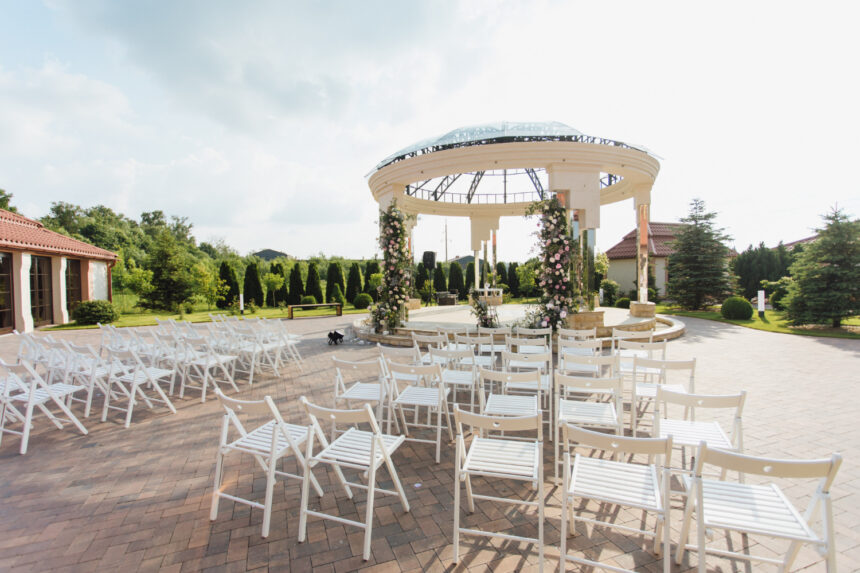
Planning a wedding is exciting, emotional, and sometimes overwhelming. Among the hundreds of decisions couples make during the planning process, choosing the perfect wedding venue stands out as one of the most important. Your venue influences everything—from the guest list and décor to the overall vibe of the celebration. In fact, wedding experts say the venue determines much of the wedding’s aesthetic, logistics, and budget allocation.
Think about it this way: the venue is the stage where your love story unfolds. Whether it’s a beach ceremony, a rustic countryside barn, or an elegant ballroom, the right venue sets the tone for your entire wedding day. But how do you find the one that truly matches your dream?
In this complete guide, you’ll discover expert tips, strategies, and insights to help you choose a wedding venue that fits your style, budget, and guest experience perfectly.
Why Choosing the Right Wedding Venue Matters
When couples start planning their wedding, many assume the dress, food, or decorations are the most important elements. But in reality, the venue often drives every other decision. It determines your wedding date, your guest capacity, and even the overall theme of the event.
Wedding planners consistently emphasize that venue selection should be one of the first major decisions in the planning process. According to wedding planning experts, knowing your guest count, budget, and venue style early helps guide every other detail, including catering, decorations, and seating arrangements.
The venue also shapes the guest experience. Imagine arriving at a beautiful garden surrounded by flowers versus stepping into a grand hotel ballroom filled with chandeliers. Each location creates a completely different emotional atmosphere.
Another important factor is logistics. A venue influences transportation, accommodation, parking availability, and accessibility for guests. Couples often fall in love with a venue’s appearance, but the real success of a wedding lies in how smoothly the day flows. From ceremony transitions to reception layouts, the venue plays a critical role in making everything seamless.
Ultimately, choosing the right wedding venue isn’t just about aesthetics. It’s about creating a setting where memories are made, emotions are shared, and the celebration feels uniquely yours.
Define Your Wedding Vision First
Before you start touring venues or comparing prices, you need to answer one important question: What kind of wedding do you want?
Without a clear vision, the venue search can quickly become overwhelming. There are thousands of options available—from luxury resorts to countryside farms—and every venue offers a different atmosphere.
Wedding experts recommend sitting down together as a couple and discussing your dream wedding experience. Do you want something intimate and romantic, or a grand celebration with hundreds of guests? Is your dream wedding outdoors or inside a luxurious hall?
Creating a shared vision ensures that both partners feel represented in the planning process. It also makes venue selection easier because you can immediately eliminate options that don’t fit your style.
Once your vision is clear, every decision—from decorations to lighting—becomes easier and more cohesive.
Identify Your Wedding Theme and Style
Your wedding theme should guide your venue choice. For example, a rustic barn wedding fits perfectly with countryside venues, while a glamorous black-tie wedding suits luxury hotels or ballrooms.
Some popular wedding themes include:
| Wedding Style | Ideal Venue |
|---|---|
| Rustic | Barns, farms, vineyards |
| Elegant | Ballrooms, luxury hotels |
| Beach | Coastal resorts |
| Garden | Botanical gardens or outdoor estates |
| Destination | Resorts or historic villas |
When the venue matches your theme, you’ll spend less money on decorations because the location already provides the atmosphere you want.
Align the Venue With Your Personality
A wedding should reflect the couple’s personality, not just current trends. Some couples love extravagant celebrations, while others prefer intimate gatherings with close friends and family.
For example, adventurous couples might choose a mountain lodge or a lakeside resort. Meanwhile, those who love culture and history may prefer a historic mansion or heritage property.
The key is to pick a venue that feels authentic to you. When guests walk in, they should instantly feel that the wedding represents your relationship and story.
Set a Realistic Wedding Budget
Money conversations aren’t always fun, but they are necessary when planning a wedding. Setting a clear budget before looking at venues prevents disappointment and financial stress later.
Experts suggest allocating a significant portion of your wedding budget to the venue. Some planners recommend spending around 30% of the total wedding budget on venue costs, including rental fees and catering services.
This percentage may vary depending on the location and the type of venue you choose. Luxury resorts and destination weddings typically cost more than local banquet halls or community venues.
A realistic budget helps you narrow down options and focus on venues that fit your financial plan. Instead of falling in love with an unaffordable location, you can explore spaces that provide great value without breaking the bank.
How Much Should You Spend on a Venue
Venue costs vary dramatically depending on location and amenities. For example, average wedding venue prices in the United States are estimated at around $8,500, while in the United Kingdom they range between £9,000 and £11,000.
These costs usually include space rental but may or may not include catering, furniture, or decorations. Couples should carefully review what is included in the package before signing a contract.
Hidden Costs Couples Often Forget
Many couples underestimate the hidden expenses associated with wedding venues. These additional costs may include:
- Service fees
- Taxes
- Cleaning charges
- Overtime fees
- Security deposits
- Equipment rentals
Understanding these costs beforehand helps avoid unexpected surprises.
Estimate Your Guest List Early
One of the biggest mistakes couples make is booking a venue before finalizing their guest list. This can lead to two common problems: choosing a venue that is too small or paying for a space that is unnecessarily large.
Guest count directly affects many aspects of wedding planning, including seating arrangements, catering, and overall budget. Wedding experts emphasize that even a rough estimate of guest numbers is essential before selecting a venue.
For example:
- Small weddings: 50–100 guests
- Medium weddings: 100–300 guests
- Large weddings: 300+ guests
A venue should comfortably accommodate your guests without feeling overcrowded or empty.
Why Guest Count Affects Venue Choice
Capacity isn’t the only factor influenced by guest numbers. It also affects:
- Table arrangements
- Dance floor space
- Catering logistics
- Parking availability
A well-matched venue ensures everyone feels comfortable and the event flows smoothly.
Choose the Right Wedding Location
Location is another crucial factor when choosing a wedding venue. Some couples prefer local venues close to home, while others dream of destination weddings in exotic locations.
Selecting the right location depends on several considerations:
- Travel distance for guests
- Accessibility from airports or major transportation hubs
- Availability of nearby accommodations
- Climate and weather conditions
Experts also suggest choosing locations that hold emotional significance, such as the city where you met or a place that represents a special memory in your relationship.
Destination vs Local Weddings
Both options have advantages.
Destination weddings offer unique experiences and stunning scenery but require more travel planning. Local weddings are easier for guests to attend and often cost less overall.
Your decision should balance convenience, cost, and personal preferences.
Evaluate Venue Capacity and Layout
Capacity goes beyond simply fitting a certain number of people. The layout of the venue also plays a crucial role in creating a comfortable and enjoyable environment.
Some venues may technically hold 300 guests, but if the dance floor is cramped or seating arrangements feel tight, the experience can suffer. Couples should carefully evaluate the space during venue tours.
Consider how the venue accommodates:
- Ceremony space
- Cocktail hour area
- Reception seating
- Dance floor
- Stage for entertainment
A well-designed layout ensures guests can move comfortably throughout the celebration.
Consider Accessibility for Guests
A beautiful venue loses its charm if guests struggle to reach it. Accessibility should always be a priority when selecting a wedding location.
Guests traveling from different cities or countries may rely on nearby airports, train stations, or highways. Providing convenient transportation options makes their journey easier.
Parking availability is another critical factor. Venues with limited parking may require shuttle services or valet options.
Transportation and Accommodation
Couples hosting destination weddings or large guest lists should also consider nearby accommodations. Hotels, resorts, or rental homes within a short distance help guests relax and enjoy the event without worrying about long travel times.
Some venues even offer on-site accommodations, which can simplify logistics and create a more immersive experience for guests.
Decide Between Indoor or Outdoor Venues
Choosing between indoor and outdoor venues depends largely on your wedding theme and the local climate.
Outdoor venues—such as gardens, beaches, and vineyards—offer natural beauty and breathtaking views. However, they also come with weather risks. Rain, wind, or extreme temperatures can disrupt plans if there is no backup option.
Indoor venues provide more control over lighting, temperature, and sound. Ballrooms, banquet halls, and hotels are popular choices for couples seeking reliability and elegance.
Many modern venues offer hybrid options, allowing couples to host ceremonies outdoors and receptions indoors.
Ask About Services and Packages
Not all venues provide the same services. Some offer basic space rentals, while others provide full-service packages that include catering, décor, and event coordination.
Understanding what is included helps couples determine whether the venue fits their needs and budget.
All-Inclusive vs Custom Venues
All-inclusive venues provide bundled services such as catering, furniture, and event staff, simplifying the planning process. Experts say these venues can reduce stress because couples only manage one contract and payment schedule.
However, some couples prefer custom venues that allow them to choose their own vendors and personalize every detail.
Each option has advantages, so couples should select the approach that best matches their priorities.
Visit the Venue Before Booking
Photos on websites and social media can be misleading. A venue may look stunning online but feel completely different in person.
Venue visits allow couples to evaluate important details, including lighting, acoustics, and overall atmosphere. Walking through the space helps you visualize the ceremony, reception, and guest experience.
During the visit, pay attention to:
- Cleanliness and maintenance
- Staff professionalism
- Layout and flow of spaces
- Lighting conditions for photos
Seeing the venue in person provides valuable insights that photos cannot capture.
Questions to Ask During a Venue Tour
Here are some essential questions couples should ask:
- What is included in the rental price?
- Are there noise restrictions?
- What is the cancellation policy?
- Are outside vendors allowed?
- Is there a backup plan for bad weather?
These questions ensure there are no surprises later.
Check Vendor Policies and Restrictions
Some venues require couples to use specific vendors, while others allow complete flexibility. Vendor policies can affect everything from catering choices to entertainment options.
For example, certain venues only allow in-house catering, while others charge extra fees for external vendors. Understanding these policies helps couples plan their wedding according to their preferences and budget.
Understand Contracts and Policies
Wedding venue contracts can be complex, so couples should read them carefully before signing.
Important details to review include:
- Payment schedules
- Cancellation policies
- Insurance requirements
- Setup and cleanup times
- Overtime fees
Taking time to understand the contract protects you from unexpected issues.
Trust Your Instincts When Choosing
Sometimes the best way to choose a venue isn’t through spreadsheets or checklists—it’s through instinct.
If a venue feels right the moment you walk in, that emotional connection matters. Couples often describe this as the moment they “just knew” it was the perfect place.
While practical factors like budget and capacity are essential, your wedding venue should also feel magical and meaningful.
Final Checklist Before Booking
Before confirming your wedding venue, make sure you:
- Confirm your guest capacity
- Review the full cost breakdown
- Check vendor policies
- Visit the venue in person
- Read the contract carefully
Completing this checklist ensures your decision is well-informed.
Conclusion
Choosing the perfect wedding venue is one of the most exciting steps in wedding planning. It’s the foundation that shapes the atmosphere, experience, and memories of your big day.
The best venue isn’t necessarily the most expensive or glamorous one. It’s the place that aligns with your vision, fits your budget, and makes your guests feel welcome.
By defining your wedding style, setting a clear budget, estimating your guest list, and carefully evaluating venue options, you can confidently choose a location that turns your dream wedding into reality.
FAQs
1. How early should you book a wedding venue?
Most experts recommend booking your venue 12–18 months before the wedding, especially for popular dates and locations.
2. What percentage of a wedding budget should go to the venue?
Many wedding planners suggest allocating around 30% of the total budget to venue costs, including catering and rental fees.
3. What is the most important factor when choosing a venue?
Guest capacity, location accessibility, and budget are typically the most important factors.
4. Should you visit a venue before booking?
Yes. Visiting the venue helps evaluate the layout, atmosphere, and logistics that photos cannot show.
5. What questions should you ask a wedding venue?
Ask about pricing, vendor policies, cancellation terms, capacity, and backup plans for weather or emergencies.