

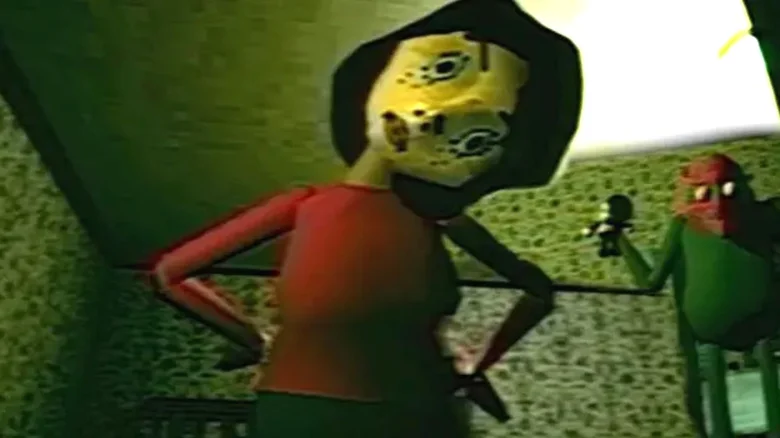
The indie horror hit Bad Parenting 1: Mr. Red Face is a phenomenon in gaming right now, but one burning question remains on the tongue of many who have played it: is there a bad parenting true story behind the game? This question has fueled countless TikTok videos, Reddit threads, and debates among horror fans around the world. Many players also search for the bad parenting real story, hoping to find out whether Mr. Red Face has roots in actual events.
Is Bad Parenting inspired by a true story? The definitive answer is no. Because the game shows the abuse of children so vividly, some players have suggested a bad parenting real life connection. However, the creator, Anh, has confirmed that the game is purely fictional. It was inspired by the real-world issue of child abuse and by impressions from his own experiences in Southeast Asia, according to the Southeast Asia Game Wiki.
Here is a quick breakdown:
- Fictional story: Bad Parenting is a horror game with supernatural elements that explores the theme of child abuse.
- Inspiration from reality: Anh has said the game draws on the general issue of child abuse, not on one specific case.
So the bad parenting true story idea is a rumor. On the official Steam page, developer 2OO2 states that the story and characters are works of fiction, and players need not fear Mr. Red Face in their dreams because he doesn’t exist. Anyone who claims the bad parenting real story involves actual events is spreading misinformation.
Still, the question didn’t come from nowhere. The game’s harrowing depiction of child abuse, domestic violence, and psychological trauma feels so true to life that many assume a bad parenting real life origin. That realism fueled speculation and fake news linking the game to real child cases.
The rumor went viral after a now-deleted TikTok video falsely claimed the storyline was based on the 2013 murder of 8-year-old Gabriel Fernandez. The claim has been reposted thousands of times and still confuses players about how the game was created. People searching for the bad parenting true story are often drawn by the psychological horror, the grounded family drama, and the game’s use of childhood trauma, which resonates with abuse survivors. If this topic is close to home, our guide to healthy parenting resources is a good place to start.
The Gabriel Fernandez Connection: Where the Claims Started
Debunking the Viral Misinformation
The bad parenting real story question gained traction after a viral TikTok video connected the game to the murder of Gabriel Fernandez. That tragic case involved:
- The systematic torture and murder of eight-year-old Gabriel by his mother and her boyfriend in 2013
- Months of abuse that went unnoticed by authorities
- A Netflix documentary series that renewed attention to child abuse
Examined closely, there are zero factual connections. The only similarity is the theme of child abuse, which doesn’t make the game a bad parenting real life retelling of Gabriel’s story or of any specific case.
The Dangerous Spread of False Information
The viral bad parenting true story claims show how misinformation travels on social media:
- Sensationalism: Linking fiction to real tragedy generates engagement.
- Lack of fact-checking: Users share content without verifying sources.
- Emotional manipulation: Real victims’ stories are used to promote fictional content.
- Algorithm amplification: Controversial content reaches a wider audience.
Understanding Bad Parenting’s Fictional Horror Elements
Why the Game Feels So Real
The bad parenting real life feel comes from the game’s authentic portrayal of:
Realistic family dynamics
- A working mother struggling to balance career and parenting
- Verbal abuse from an alcoholic father figure
- A child’s desperate need for attention and validation
- A cycle of broken promises and disappointment
Psychological accuracy
- How children internalize blame for family problems
- How trauma manifests in a child’s imagination
- Realistic responses to domestic violence
- The confusion between fantasy and reality in young minds
Environmental storytelling
- A cramped apartment that feels lived-in
- Details that suggest financial stress and family tension
- Objects that tell stories of neglect and dysfunction
- Spaces that feel both familiar and threatening
The Developer’s Artistic Vision
Anh created Bad Parenting not to retell any bad parenting real story, but to explore universal themes of childhood trauma through a fictional lens. The game serves as:
- A commentary on cyclical abuse patterns
- An exploration of how children process family violence
- A psychological horror experience that builds empathy
- A work of art addressing serious social issues through interactive media
The Controversy Surrounding Bad Parenting’s Creator
Allegations That Complicated the Game’s Legacy
Although the bad parenting true story question is settled, serious allegations against Anh have complicated the game’s legacy.
The allegations (unproven claims made publicly):
- Inappropriate communication with a 14-year-old on the game’s Discord server
- Screenshots that allegedly show grooming behavior
- A claimed pattern of concerning interactions with minors
Reported developer response:
- Anh reportedly acknowledged that some inappropriate behavior occurred
- He shifted blame to other Discord members
- He did not directly deny the specific allegations
- He did not dispute the authenticity of the screenshots
Impact on the Game’s Reception
These revelations have changed how players approach the bad parenting real story debate:
- Artistic intent: Are the themes exploitative rather than educational?
- Creator credibility: Can content about child protection come from someone accused of inappropriate behavior with minors?
- Sequel uncertainty: Bad Parenting 2 remains unreleased amid the controversy.
- Community response: Many players now question whether to support the developer.
The Psychology Behind the Question
Why Horror Games Feel “Real”
The persistent bad parenting real life question reflects how interactive horror affects players differently than passive entertainment.
Immersion factors
- First-person perspective: Players experience events through the child’s eyes.
- Interactive control: Making choices creates emotional investment.
- Environmental exploration: Players discover story details through gameplay.
- Psychological identification: Players project their own experiences onto the narrative.
Emotional responses
- Fear feels more personal when you control the victim.
- Childhood trauma themes trigger protective instincts.
- Realistic abuse scenarios activate empathy.
- The helplessness of a child in danger resonates universally.
The Power of Authentic Fiction
Understanding why people search for the bad parenting true story shows how effective fiction works:
- Truth in fiction: Good stories capture universal human experiences.
- Emotional authenticity: Realistic emotions don’t require real events.
- Social commentary: Fiction can address real problems without being factual.
- Empathy building: Stories help us understand experiences we haven’t lived.
Media Literacy: Lessons from the Misinformation
The Importance of Fact-Checking
The bad parenting real story controversy teaches valuable lessons about digital literacy.
Red flags to watch for
- Sensational claims without official sources
- Viral content that connects fiction to real tragedies
- Stories designed to shock rather than inform
- Claims that seem built to increase engagement rather than educate
Better research practices
- Check official developer statements and game documentation.
- Look for credible gaming journalism.
- Verify claims through multiple independent sources.
- Be skeptical of social media content that cites no sources.
Responsible Sharing
Before you repost a claim about bad parenting real life events, consider:
- The impact of spreading unverified information
- How false claims might affect real victims’ families
- Your responsibility to fact-check before sharing
- The difference between discussion and misinformation
Parents who want to talk to their kids about online content can find practical parenting tips and guides on our site.
The Future of Bad Parenting and Its Legacy
What Happened to Bad Parenting 2?
Bad Parenting 2 was initially planned for release in 2024 but remains unreleased. Even though the bad parenting true story question has been answered, the sequel’s fate is uncertain because of:
- The allegations against Anh
- Community backlash and changed public perception
- Questions about whether the project should continue
- Uncertainty about the developer’s current status and intentions
Lessons for Horror Game Development
Creators tackling sensitive subjects can learn a lot from this case, especially when their themes echo bad parenting real life struggles.
Best practices
- Include comprehensive content warnings.
- Consult trauma experts and abuse survivors.
- Approach difficult subjects with sensitivity and research.
- Be transparent about what is fictional and what is factual.
Pitfalls to avoid
- Don’t exploit real tragedies for marketing.
- Make sure creator conduct aligns with stated values.
- Build trust through consistent, ethical behavior.
- Separate artistic intent from personal conduct.
Frequently Asked Questions
Is there a bad parenting true story behind the game?
No. The bad parenting true story theory is a rumor. The game is fiction, and the developer has said so publicly.
What is the bad parenting real story people talk about?
The only bad parenting real story in circulation is the false claim linking the game to Gabriel Fernandez. The actual story is that a developer made a fictional horror game about childhood trauma.
Does bad parenting real life abuse inspire the game?
The game was inspired by the general issue of child abuse. Bad parenting real life problems shaped its themes, but no specific case is depicted. To learn how to recognize and prevent harm to children, visit Famous Parenting Mom Life.
Did TikTok start the bad parenting real story rumor?
A now-deleted TikTok video is widely credited with spreading it. That video is also where the bad parenting true story myth took off.
Conclusion: Fiction, Reality, and Responsibility
Is there a bad parenting true story? The answer is still a resounding no. Bad Parenting was written and developed by Anh as an independent work of fiction exploring childhood trauma, domestic abuse, and psychological horror. It was not inspired by a specific real event, however dark, such as the tragic case of Gabriel Fernandez.
Even so, people will keep asking about the bad parenting real story. The question shows how deeply we engage with media that touches serious social issues. The game is not factual, but the suffering of real children in abusive homes is.
The bad parenting real life debate is also a primer on digital literacy: on the responsibility creators have for what they make, and on why viral claims need fact-checking. The story is false, but the real-world effect of disinformation is not.
The accusations against the developer have made the conversation even harder, raising difficult questions about separating art from artist and about an artist’s duty when creating work centered on vulnerable people, especially children.
Whether you choose to play Bad Parenting is up to you. Knowing the bad parenting real story (and what is only rumor) helps you make informed decisions about the media you consume and share. The game’s fictional nature doesn’t reduce its impact, but honesty in how we discuss it is key to trust in our online communities.
In an age of viral disinformation, the bad parenting true story myth reminds us that knowing the truth behind a creative work matters as much as the work itself. Fact-check before you hit “Share.”