
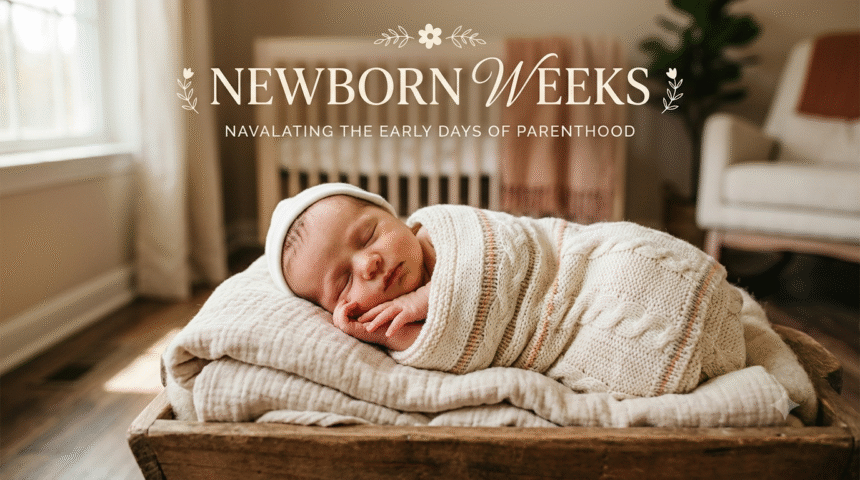
Baby registries are designed to make you feel behind. Hundreds of products, and every list says you “need” all of them.
You don’t. In the first few weeks, a newborn needs a safe place to sleep, food, a clean diaper, and something soft to wear. Everything else is a bonus.
This list covers the five categories that matter most, along with how to choose in each one and what you can safely skip.
1. A safe sleep space
Why it’s a must-have: Sleep is the most important thing to get right, and the one with the strictest safety rules.
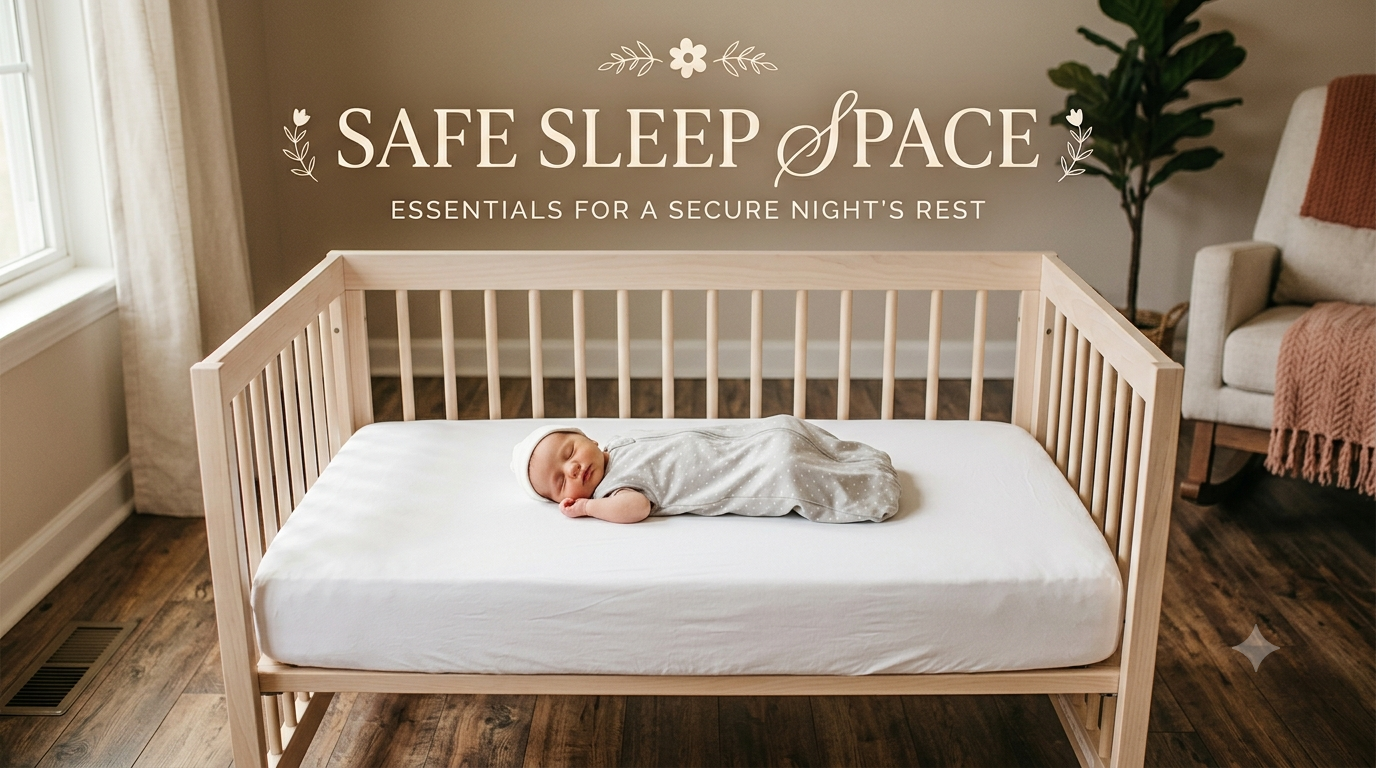
Pediatric guidance (such as the American Academy of Pediatrics) is consistent: babies should sleep on their backs, on a firm, flat surface with nothing else in the space. That means no pillows, bumpers, or loose blankets. Ideally the sleep space shares your room, but not your bed, for at least the first six months.
What to buy:
- A bassinet or a crib that meets current safety standards and has a firm, flat mattress
- A fitted sheet made for that exact mattress
- Two or three spare sheets, because newborn nights are messy
A note on baby loungers: Soft loungers and nests are popular, but they’re not made for sleep. If you buy one, use it only while your baby is awake and you’re right there watching. Never leave a sleeping baby in it, and move them to their bassinet if they doze off.
What to skip: Crib bumpers, decorative pillows, and thick blankets. They look nice but add risk.
2. A swaddle or sleep sack (and a calming routine)
Why it’s a must-have: Newborns startle easily, and the startle reflex can wake them. Many babies settle better when snugly wrapped.
What to buy:
- Two or three swaddles that are simple to put on. Zip or velcro styles are easier than muslin wraps when you’re exhausted at 3 a.m.
- Look for breathable fabric and a style that keeps the hips loose rather than tightly pressed together
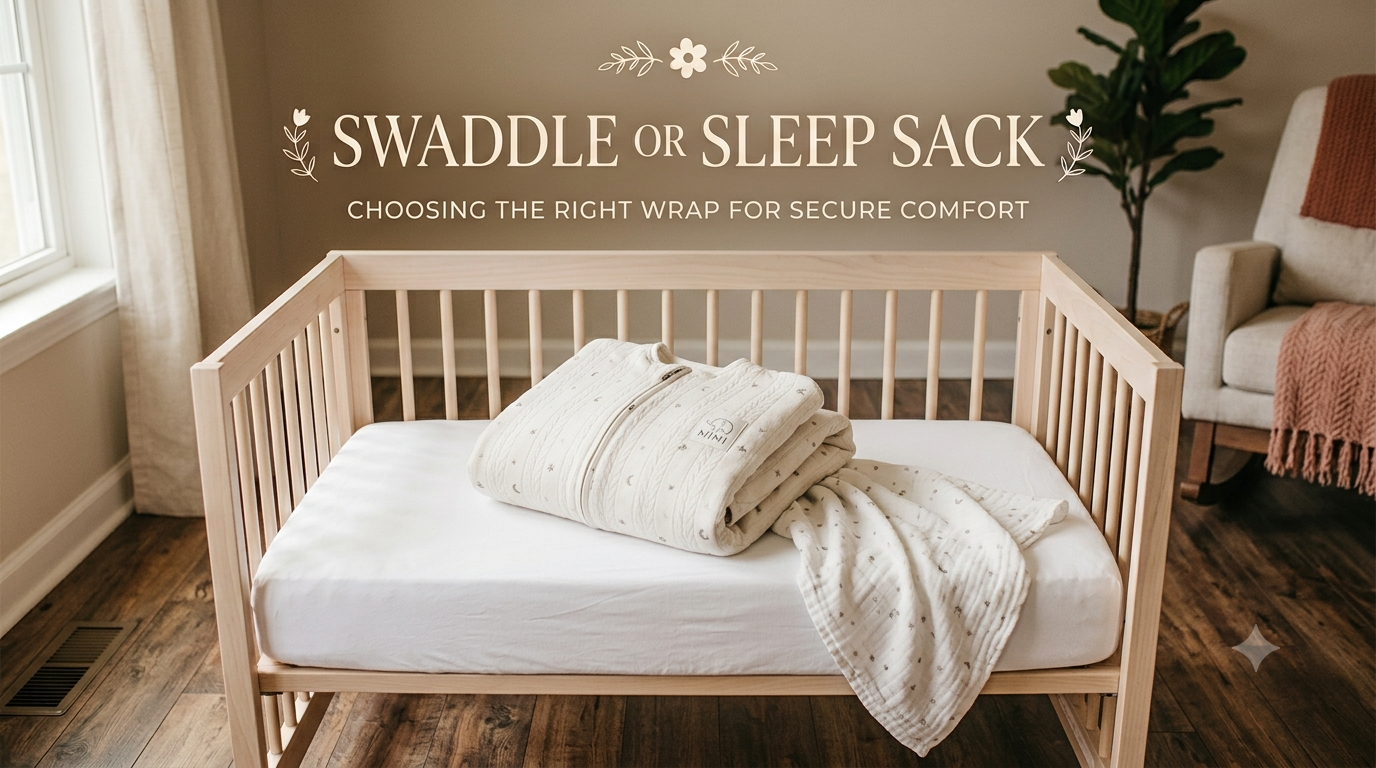
Important safety point: Stop swaddling as soon as your baby shows signs of trying to roll over. That can happen earlier than you expect, so watch for it. At that point, switch to a wearable sleep sack that leaves the arms free.
About white noise: A sound machine can help soothe a baby, but keep it quiet, since experts recommend a low volume, and place it across the room, not in the bassinet.
3. Diapers, wipes, and rash protection
Why it’s a must-have: A newborn can go through roughly 8 to 12 diapers a day. You’ll be changing them constantly, so quality and fit matter.
What to buy:
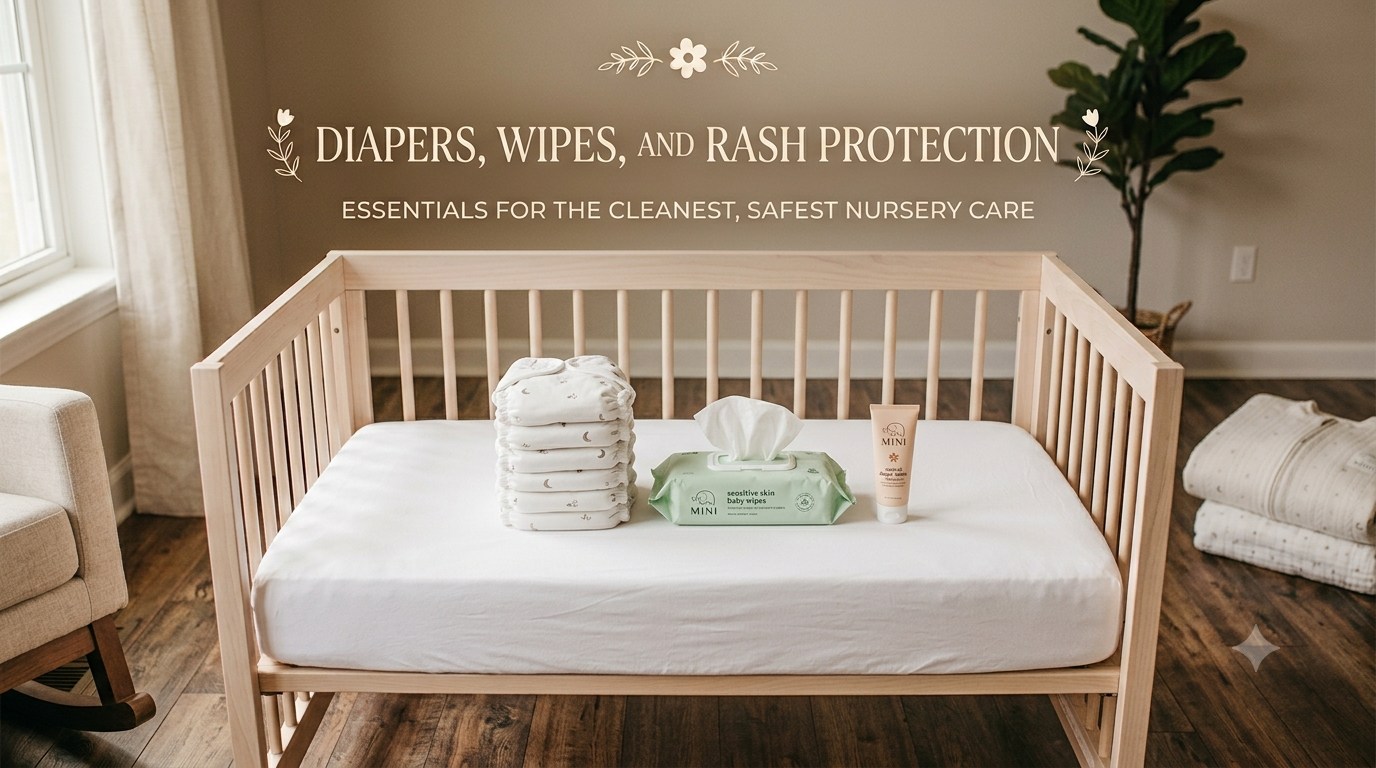
- A small supply of newborn diapers. Babies grow at different rates, and some skip the newborn size quickly. Buy one or two packs, then move up as needed. Use our baby age calculator to keep track of your baby’s age and plan sizes.
- Fragrance-free wipes, or soft cloths with warm water for the first weeks
- A zinc-based diaper rash cream to keep in the changing area, plus one in your bag
If you’re weighing a premium option, read our Coterie diapers review to decide whether the higher price is worth it for your baby and budget.
What to skip: Stocking up on a single brand and size before your baby arrives. Wait until you know what fits.
4. Feeding essentials (whichever way you feed)
Why it’s a must-have: Whether you breastfeed, formula feed, or do both, feeding takes up a huge part of the day and night.
For everyone:
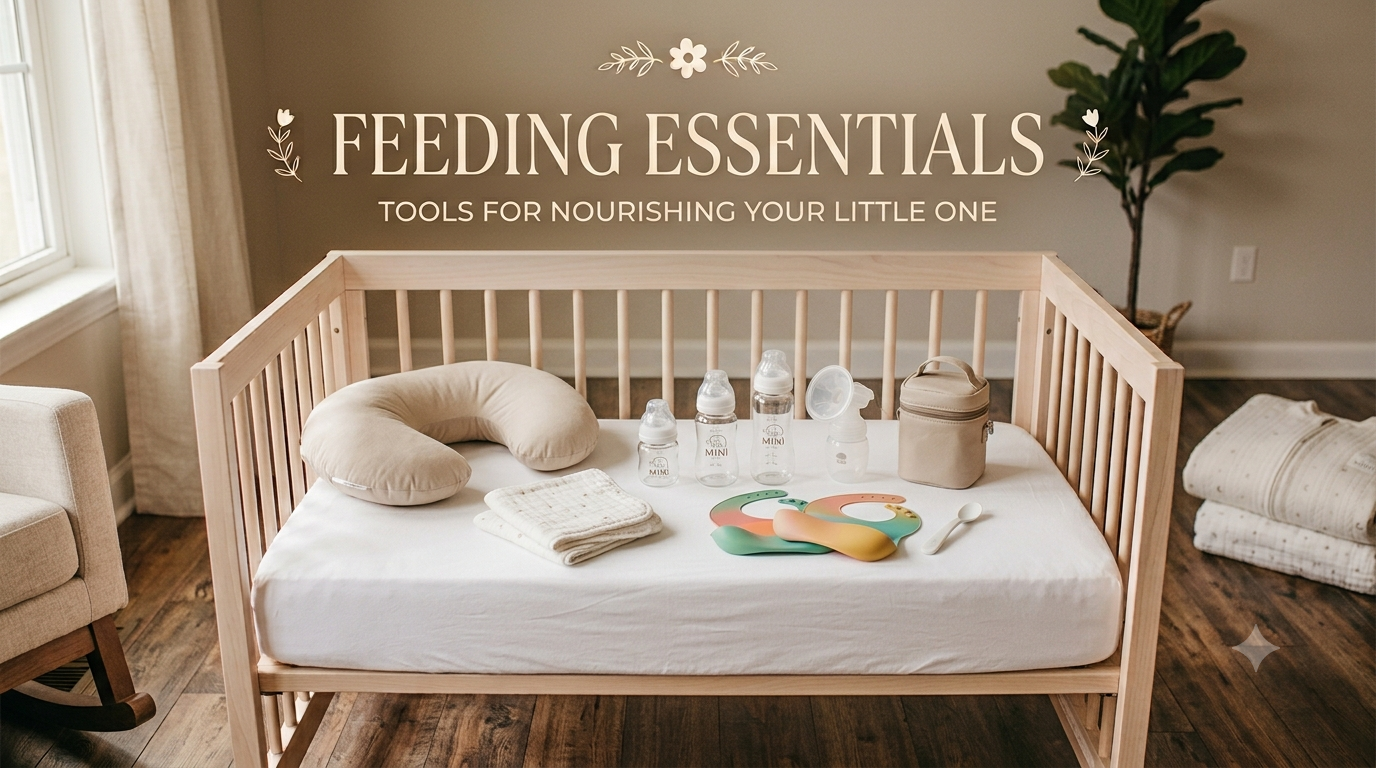
- 8 to 10 soft burp cloths
- A comfortable place to feed, like a supportive chair and a pillow for your back or arms
- Water and one-handed snacks within reach, because feeding mothers get hungry and thirsty fast
If you’re breastfeeding:
- Nursing bras or soft nursing tanks
- Nipple cream
- Breast pads
- Optionally, a manual pump to collect milk from the side you aren’t feeding on
If you’re curious about foods and herbs people mention for milk supply, read our guide on moringa for breastfeeding moms. Before you try any supplement, talk to your doctor or a lactation consultant.
If you’re formula feeding:
- Start with a small amount of the formula your pediatrician recommends, since babies can react differently
- A few bottles and a bottle brush
- A way to sterilize or wash bottles properly
What to skip: Big bottle sets and a pile of accessories before you know what your baby will take. Many babies refuse the first bottle they’re offered.
5. Soft, easy clothes
Why it’s a must-have: Newborns need frequent changes because of spit-up, leaks, and diaper blowouts.
What to buy:
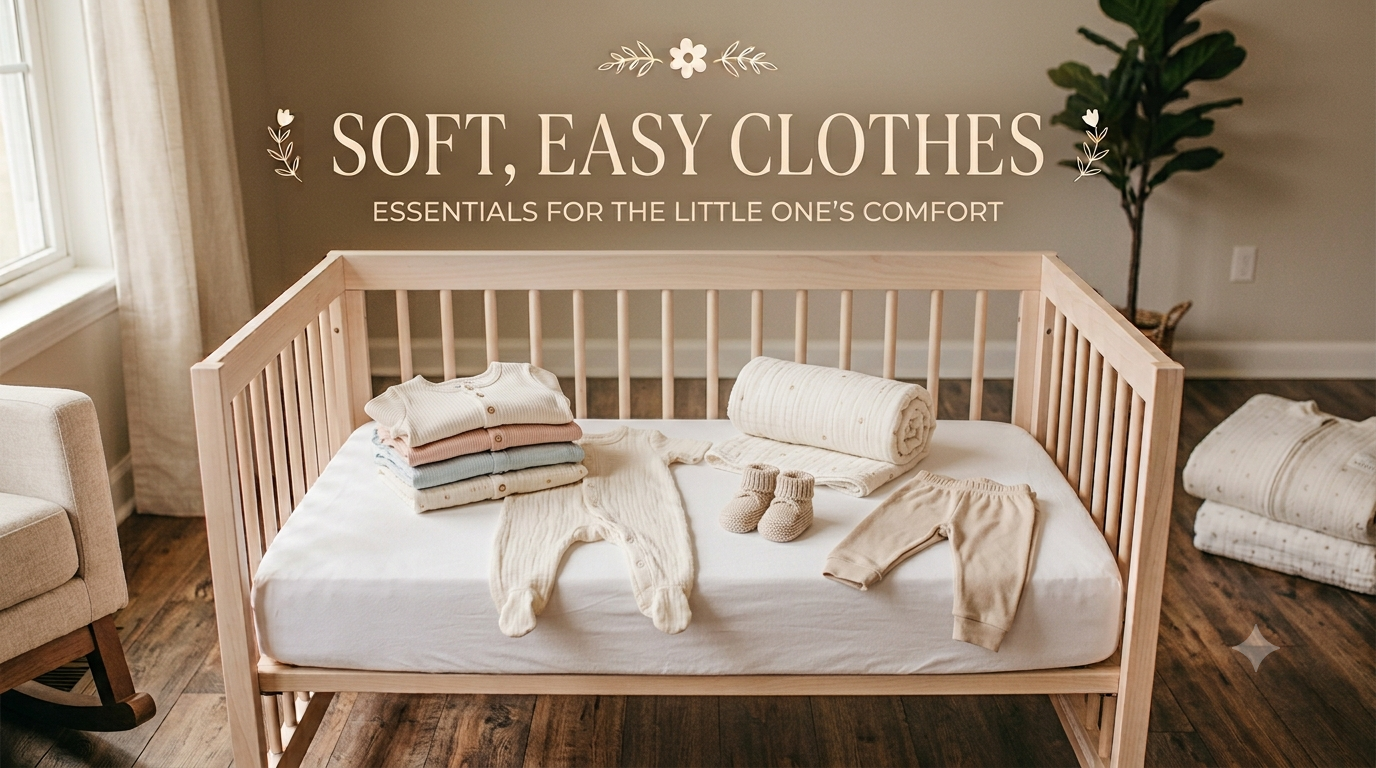
- Bodysuits with envelope necks or kimono-style openings, which are easier to pull on and off a tiny baby
- Zip-up sleepers. Zippers are far easier at 3 a.m. than rows of snaps
- Soft, breathable fabric like cotton or bamboo
How many: Plan for about 6 to 8 of each size, so you can go a day or two between washes. Buy only a few newborn-size items, because many babies outgrow them within weeks.
What to skip: Anything with stiff fabric, scratchy tags, or tricky buttons. Save the outfits for photos.
The one thing that isn’t on this list: the car seat
You can’t leave the hospital without a properly installed car seat, so it’s not optional. Buy a new seat from a reputable brand, check that it hasn’t expired, and have a certified technician check your installation if you can.
What can wait
If your budget is tight, these can wait until you know you need them:
- Wipe warmers
- Fancy changing tables
- Large toy collections
- Baby shoes
- Extra gadgets
You can buy most things when you need them, and online delivery makes that easy.
Frequently Asked Questions
What do first-time moms really need for a newborn?
A safe sleep space, a car seat, diapers and wipes, feeding supplies, and a few soft outfits. Everything else is optional.
How many newborn clothes should I buy?
Only a few, as newborn sizes don’t last long. Buy more in 0 to 3 month sizes.
Do I need a baby lounger?
No. If you use one, only use it when your baby is awake and supervised. Never for sleep.
When should I stop swaddling?
As soon as your baby shows signs of rolling over, switch to a sleep sack with free arms.
What should I buy before the baby arrives, and what can wait?
Get sleep, car seat, diapers, feeding basics, and clothes before the birth. Buy extras once you know your baby’s habits.
Final thoughts
You don’t need a perfect nursery or a full registry to be ready. A safe place to sleep, a way to feed your baby, a stack of diapers, and some soft clothes will carry you through the first weeks. You’ll figure out the rest as you go, and everyone does.
For more real-world advice, read Your Old Life Ends When You Become a Mom — Here’s What Starts, browse our Parents and Mom Life sections, or start with Famousparenting Momlife: The Complete Guide to Real Motherhood, Every Stage.