


Knee pain is one of the most common mobility complaints affecting people of all ages. Whether caused by aging, poor posture, muscle imbalance, sports injuries, or repetitive strain, ongoing knee discomfort can make everyday activities difficult. Walking upstairs, exercising, or even standing for long periods may become frustrating and painful.
Fortunately, gentle movement and supportive strengthening exercises can often help improve stability and reduce discomfort over time. One exercise gaining popularity in both rehabilitation and functional fitness is the trx squat. This simple yet highly effective movement combines balance, strength, flexibility, and joint support in a low-impact way that is accessible for many fitness levels.
Unlike traditional squats that may place excess pressure on sensitive joints, the trx squat uses suspension straps to provide support and improve control during movement. This makes it especially appealing for individuals looking for a safer way to rebuild lower body strength while protecting the knees.
Also Read : 5 Med Spa Membership Ideas and Tips for Success
What Is a TRX Squat?
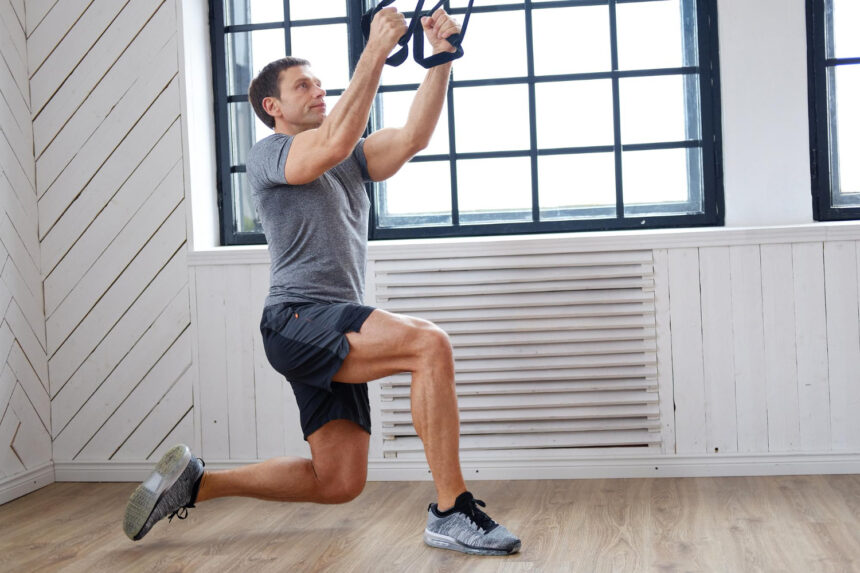
A trx squat is a suspension-based squat exercise performed using TRX straps attached to a secure anchor point. The straps help stabilize the body while guiding movement, allowing users to perform squats with improved posture and reduced joint stress.
During a trx squat, you hold the suspension handles while lowering your hips backward into a seated squat position. The straps help distribute body weight more evenly, making the movement easier to control.
This exercise is commonly used in:
- Functional fitness programs
- Physical therapy settings
- Rehabilitation workouts
- Mobility training routines
- Beginner-friendly strength programs
Because the trx squat supports proper alignment, it is often recommended for individuals recovering from mild knee discomfort or those seeking low-impact exercise alternatives.
Why Knee Pain Happens
Knee pain can develop for many reasons, including:
- Weak leg muscles
- Tight hips or hamstrings
- Poor posture
- Joint inflammation
- Arthritis
- Sports injuries
- Overtraining
- Excess body weight
In many cases, surrounding muscles fail to properly support the knee joint. Strengthening the lower body safely can improve stability and reduce strain over time.
That’s where the trx squat becomes especially useful.
Benefits of the TRX Squat for Knee Health
Improved Joint Support
One major advantage of the trx squat is the added support from suspension straps. Users can control the depth and speed of the movement while reducing unnecessary pressure on the knees.
This support often helps individuals feel more confident during exercise, especially after injury or long periods of inactivity.
Better Lower Body Strength
The trx squat activates multiple muscle groups simultaneously, including:
- Quadriceps
- Hamstrings
- Glutes
- Core muscles
- Calves
Strengthening these muscles helps stabilize the knees naturally and may improve overall mobility.
Enhanced Balance and Coordination
Balance plays a major role in preventing falls and joint injuries. Since the trx squat requires controlled movement and posture awareness, it can improve coordination and body control over time.
This makes it particularly valuable for older adults or beginners returning to exercise.
Reduced Impact on Sensitive Joints
Traditional squats can sometimes feel intimidating or painful for people with knee sensitivity. The trx squat reduces load pressure because the straps assist movement and allow more gradual progression.
For many people, this creates a safer and more comfortable exercise experience.
How to Perform a Proper TRX Squat
Correct form is essential to receive the full benefits of the trx squat while avoiding unnecessary strain.
Step-by-Step Guide
- Stand facing the TRX anchor point.
- Hold the handles with both hands.
- Keep your feet shoulder-width apart.
- Engage your core muscles.
- Slowly lower your hips backward as if sitting in a chair.
- Keep your chest lifted and knees aligned with your toes.
- Push through your heels to return to standing.
Move slowly and focus on smooth, controlled motion.
Beginners may start with shallow squats before progressing deeper as strength improves.
Common Mistakes During a TRX Squat
Although the trx squat is beginner-friendly, poor form can still create discomfort.
Avoid these common mistakes:
- Letting knees collapse inward
- Leaning excessively forward
- Pulling too hard on the straps
- Moving too quickly
- Arching the lower back
Using proper posture and controlled breathing can make the exercise more effective and safer.
Can TRX Squat Exercises Help With Arthritis?
Many individuals with mild arthritis look for low-impact exercises that encourage mobility without aggravating pain. The trx squat may help improve circulation, muscle support, and joint movement when performed carefully.
However, anyone with severe arthritis or chronic joint conditions should consult a healthcare provider or physical therapist before beginning a new exercise program.
Complementary Natural Approaches for Knee Pain
Exercise is only one part of supporting long-term joint health. Many people combine the trx squat with holistic wellness strategies, including:
Anti-Inflammatory Nutrition
Foods rich in omega-3 fatty acids, antioxidants, and natural anti-inflammatory compounds may support joint comfort.
Examples include:
- Leafy greens
- Salmon
- Turmeric
- Ginger
- Berries
- Olive oil
Gentle Stretching and Mobility Work
Tight muscles around the hips and legs can worsen knee stress. Regular stretching may help improve flexibility and reduce tension.
Helpful mobility practices include:
- Yoga
- Foam rolling
- Dynamic stretching
- Walking
- Water therapy
Stress Management and Recovery
Chronic stress may increase inflammation throughout the body. Relaxation techniques such as meditation, deep breathing, and quality sleep may support overall recovery and wellbeing.
Final Thoughts
Knee pain can interfere with daily life, but supportive movement strategies may help restore confidence and mobility. The trx squat offers a gentle, low-impact way to strengthen the lower body while reducing excess pressure on sensitive joints.
Because the trx squat improves balance, posture, and muscle activation, it has become a popular option in both fitness and rehabilitation settings. When combined with proper nutrition, stretching, and healthy recovery habits, this exercise may support long-term joint health naturally.
As with any exercise routine, consistency and proper form are key. Starting slowly and listening to your body can help you build strength safely while improving movement over time.