


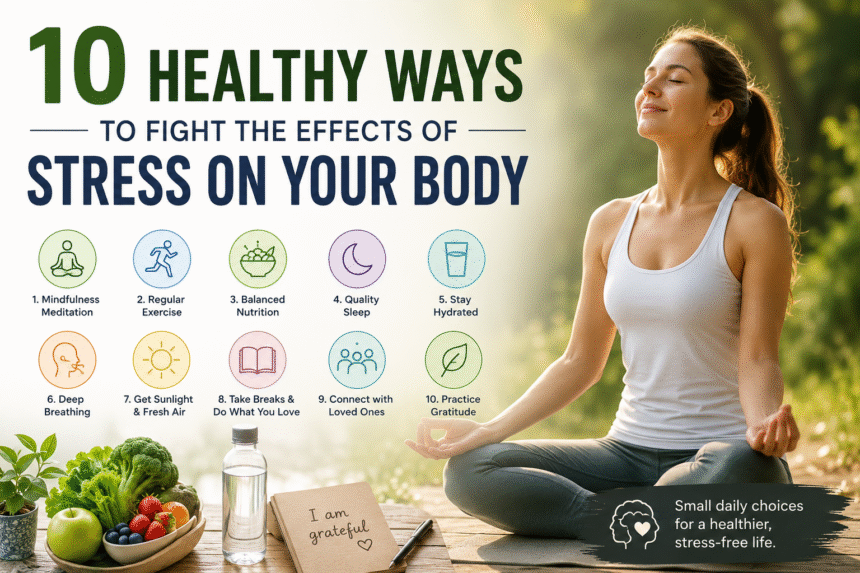
A busy schedule, a long list of personal responsibilities, constant notifications, and unexpected challenges can leave you feeling mentally drained. But the effects don’t stop there. Stress can also contribute to muscle tension, headaches, digestive discomfort, and low energy, making it harder to feel your best each day.
Your body, however, has a remarkable ability to recover when it’s given the right support. Here’s a list of approaches that can help you reduce the impact of stress. Some of them are already well known, while others may surprise you with how simple and effective they can be.
1. Prioritize Restorative Sleep
Quality sleep helps your body recover from the physical effects of stress. During deep sleep, in particular, important processes take place that support your immune system, regulate stress hormones, and repair tissues that have worked hard throughout the day.

A consistent bedtime routine can improve your chances of getting a good night’s sleep. Try going to bed and waking up at roughly the same time each day to condition your body. Limiting screen use before bedtime, keeping your bedroom cool and comfortable, and avoiding heavy meals before bedtime can also help your body settle into a healthier sleep pattern. If you’re looking for a gentle wind-down practice before bed, Hatha Yoga is a great place to start — its slow, controlled movements pair naturally with a calming bedtime routine.
2. Eat Well and Stay Hydrated
The foods you consume can influence how your body responds to stress. In particular, a balanced diet that includes fruits, vegetables, whole grains, lean proteins, and healthy fats provides nutrients that support energy production and overall wellness.

Hydration deserves equal attention. Even mild dehydration can lead to headaches and fatigue, which can make stressful situations feel even more overwhelming. Also, limit excessive caffeine and sugary beverages to reduce feelings of restlessness or nervousness. If you rely on caffeine to get through the day, it’s worth understanding how it actually affects your body — this breakdown of a blackcurrant and caffeine pre-workout combo is a useful read on getting an energy boost without overdoing it.
3. Take Supplements That Support Overall Wellness
When your regular diet doesn’t provide enough of certain nutrients, supplements can become a valuable part of a well-rounded wellness routine when used responsibly and with guidance from a health professional. Depending on your individual needs, you may take magnesium, omega-3 fatty acids, vitamin D, or L-theanine to support your overall wellness.

Certain products also serve broader, targeted health goals. For instance, as a master antioxidant, a high-quality glutathione supplement actively fights oxidative stress and neutralizes free radicals at the cellular level. As it defends cells against the damage caused by age and lifestyle stressors, glutathione also supports long-term vitality and nourishes the body from within for a healthier, more radiant glow.
4. Stay Physically Active
Exercise remains one of the most effective ways to help your body cope with stress. Physical activity encourages the release of endorphins, supports heart health, improves circulation, and helps reduce muscle tension that builds up after a stressful day. You don’t even have to spend hours at the gym to experience these benefits. A brisk walk around your neighborhood, a bike ride, swimming, dancing, or following a home workout video can already contribute to better physical and mental well-being.

If you’ve been putting in the effort but aren’t seeing results, it may help to understand why you’re working out but not losing weight before you get discouraged. And if joint discomfort is holding you back from staying active, low-impact options like TRX squat exercises for knee pain recovery can help you build strength safely.
5. Spend Time with Loved Ones and Pets
Studies show that positive physical contact, such as hugging your partner or cuddling with your children, encourages your body to release oxytocin, a hormone associated with feelings of trust and relaxation.
Pets can provide similar comfort. Spending a few quiet minutes petting your dog or cat may help you feel calmer while giving your mind a welcome break from daily worries. Caring for a pet can also create healthy routines that encourage regular movement and meaningful companionship. Since stress at home often ties back to relationship dynamics, these tips on maintaining a relationship while raising children can help you protect that connection even during hectic seasons.
6. Relax with Aromatherapy
You can transform your home or office into a personal sanctuary by using aromatherapy to actively counter the physical and mental toll of daily stress. Essential oils like lavender, bergamot, chamomile, and ylang-ylang are popular options. They release powerful, soothing aromas that signal your nervous system to wind down, lowering tension and easing a restless mind. While aromatherapy doesn’t fix the underlying cause of your pressure, it offers a quick, accessible ritual to disrupt stress loops, encourage deep breathing, and restore a sense of calm whenever you feel overwhelmed. For a deeper reset, some moms also explore options like med spa memberships as an occasional, guided way to prioritize wellness.
7. Practice Kinder Self-Talk
The conversations you have with yourself can affect how your body reacts to stressful situations. Consider how constant self-criticism can increase feelings of pressure. In contrast, more balanced and encouraging thoughts can help reduce emotional strain. Instead of focusing on things that went wrong, acknowledge your efforts and remind yourself that setbacks happen to everyone. Then, replace harsh internal comments with realistic and compassionate ones so you can approach challenges with greater assurance and less anxiety.

If you need a reminder that you’re doing better than you think, this look at real momlife stories, real days, real wins is worth a read on tough days.
8. Indulge in Your Hobbies
Reading, painting, gardening, cooking, playing an instrument, or completing puzzles are just a few examples of hobbies that can help you recharge. Making time for these activities that you genuinely enjoy allows your mind to shift its attention away from daily pressures, even for a few minutes.
9. Practice Muscle Relaxation Techniques
Stress typically causes your muscles to tighten without you realizing it. Deep breathing exercises and progressive muscle relaxation can help interrupt this response by encouraging your body to enter a calmer state. You can start by taking slow, steady breaths while paying attention to how your body feels. Then, gently tense and relax different muscle groups, beginning with your feet and working upward. This simple routine requires only a few minutes and can be practiced almost anywhere.
If tension has settled into chronic pain rather than easing with these techniques, it may be time to look deeper — here are 7 signs it’s time to call a doctor for your back pain.
10. Set Healthy Boundaries
Constant notifications, endless news updates, and packed schedules can keep your mind in a continuous state of alertness. This is why you should give yourself permission to disconnect from work emails or social media to create valuable mental space.
Healthy boundaries also apply to your personal commitments. It’s okay to decline additional responsibilities or social commitments when your schedule is already full. Protecting your time allows you to focus your energy on the things that matter most without stretching yourself too thin.
Give Your Body the Support It Deserves
Stress may be unavoidable, but its effects don’t have to control your daily life. Every positive choice you make gives your body another opportunity to recover, grow stronger, and maintain the resilience you’ll need for whatever comes next.
Frequently Asked Questions
How long does it take for the body to recover from chronic stress?
Recovery timelines vary by person, but consistent sleep, movement, and relaxation habits typically start showing benefits within a few weeks. Ongoing or severe symptoms are worth discussing with a healthcare professional.
What is the fastest way to relax your body after a stressful day?
Deep breathing combined with progressive muscle relaxation (see tip #9) is one of the quickest ways to signal your nervous system to calm down, often within just a few minutes.
Can supplements alone reduce stress?
Supplements can support your body’s overall resilience, but they work best alongside good sleep, nutrition, movement, and boundary-setting rather than as a standalone fix.