


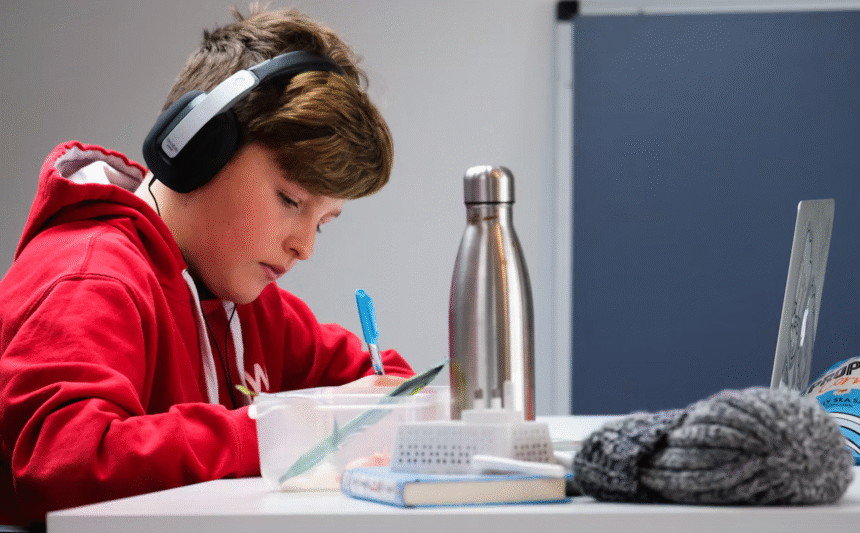
Exam confidence grows when teens can see steady proof that their preparation is working. Hours spent at a desk may look productive, but effective revision requires active practice, honest feedback and enough emotional support to keep setbacks in perspective. Parents can help without taking control of the process. A few practical changes to your teen’s study routine can turn vague worry into a clearer sense of readiness.
Move Past Passive Highlighting
Highlighting can help teens locate key ideas, but rereading colorful pages rarely shows what they can recall independently. Encourage your teen to close the book and explain a concept aloud, write a short summary from memory or create flashcards with one clear question on each card.
The study skills for finals recommended by Oxford Learning include organizing materials, avoiding cramming and using active study methods. Try a simple 20-minute routine: review one topic for five minutes, recall it without notes for 10 minutes and spend the final five minutes checking errors. That quick check turns forgotten details into a useful plan for the next session.
Practice with Topic-Specific Questions
Practice questions reveal far more than a general feeling of familiarity. Ask your teen to choose one narrow topic, answer two or three questions under light time pressure and then compare each response with the expected points. Someone studying for A Levels can use revision notes, exam questions, past papers and flashcards to focus on specific Psychology topics.
Keep early practice manageable. A teen who struggles with research methods, for example, could spend one session identifying variables and another interpreting study results. Once accuracy improves, they can combine topics in a longer timed set. This gradual increase in difficulty builds confidence from genuine progress.
Encourage Consistent Self-Assessment
Set up a weekly check-in that focuses on evidence. Your teen might rate each topic as secure, developing or needs attention, then support that rating with a quiz score or completed question. This makes the review specific and prevents one difficult session from coloring their view of the entire subject.
Keep the conversation brief and neutral. Ask what improved, where marks were lost and what they’ll adjust next time. If an answer lacked detail, the next step might be practicing two longer responses. If timing caused trouble, a 15-minute timed question may help. Let your teen choose the adjustment so the study plan still feels like their own.
Support Emotional Steadiness
Stress can make a prepared student feel as though they’ve forgotten everything. Help your teen protect the basics during exam season, including regular meals, movement, sleep and short breaks away from screens. The goal is a routine they can repeat, even when motivation dips.
Practical advice on testing confidence and focus also emphasizes encouragement and a calm home environment. Praise specific behaviors such as starting on time or reviewing an incorrect answer. Before a practice paper, suggest one minute of slow breathing and a simple instruction: read carefully, begin with a manageable question and return to harder items later. Familiar routines reduce the sense of panic.
Keep the Bigger Picture in Sight
An exam matters, but it shouldn’t become a verdict on your teen’s ability or future. Talk about effort and progress without tying every family conversation to grades. A disappointing practice score is useful information, especially when there’s time to identify the cause and respond. Supporting teens also means paying attention to their well-being outside the classroom, including how safety is handled in youth sports programs.
Watch for signs that pressure is becoming unmanageable, such as persistent sleep problems, frequent headaches, withdrawal or intense distress. Speak with a teacher, school counselor or health professional when extra support is needed. At home, keep expectations realistic and make room for ordinary family life.
On the evening before an exam, help your teen pack what they need, choose a sensible stopping time and trust the preparation already completed. Calm confidence often begins with that quiet message: you’ve practiced, you have a plan and one paper cannot define you.