
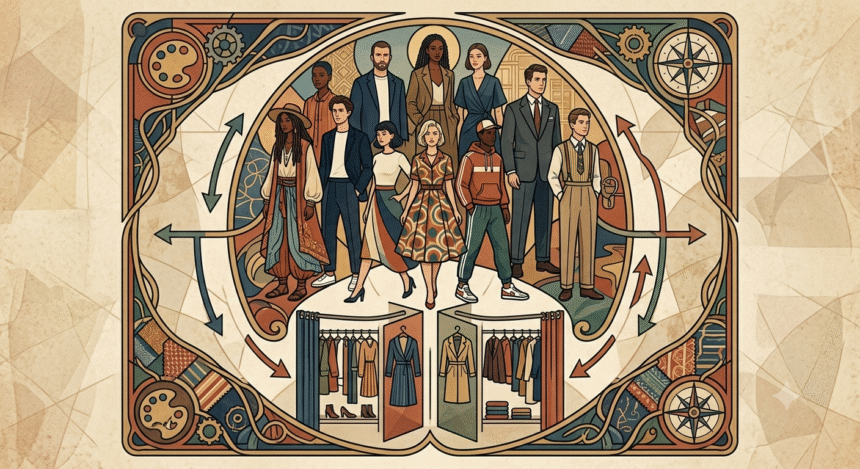
Every outfit says something before you ever open your mouth. A blazer walks into a room differently than a hoodie does. A flowy sundress reads differently than ripped denim and combat boots. That’s the quiet power of personal style — it’s a form of communication that runs on fabric, color, and shape instead of words.
If you’ve ever stood in front of a full closet convinced you have “nothing to wear,” the problem usually isn’t the clothes. It’s that you haven’t landed on a style that actually feels like you yet. And with so many types of clothing styles out there, it’s easy to grab pieces that don’t talk to each other, leaving your wardrobe looking scattered instead of intentional.
The good news is that style isn’t something you’re born knowing. It’s something you notice, piece by piece, until a pattern starts to show up. This guide walks through the most recognizable clothing styles for men and women, what defines each one, and how to figure out which direction actually fits your life — not just your Pinterest board.
Also Read : Shop Disco Cowboy Hat – The Ultimate Guide to Stylish and Shiny Headwear
Different Types of Clothing Styles
Below are 17 of the most common clothing styles you’ll come across, along with the pieces that typically build each look. Most people don’t live in just one category — you might dress classic for work and casual on weekends, or mix streetwear with a chic edge. Think of these less as strict boxes and more as a vocabulary you can borrow from.
1. Casual Style
Casual is the style equivalent of a deep breath. It’s built for ease — nothing tight, nothing fussy, nothing that requires a second thought before you walk out the door. This is the wardrobe you reach for on a lazy Sunday, a coffee run, or a day packed with errands where comfort has to win.
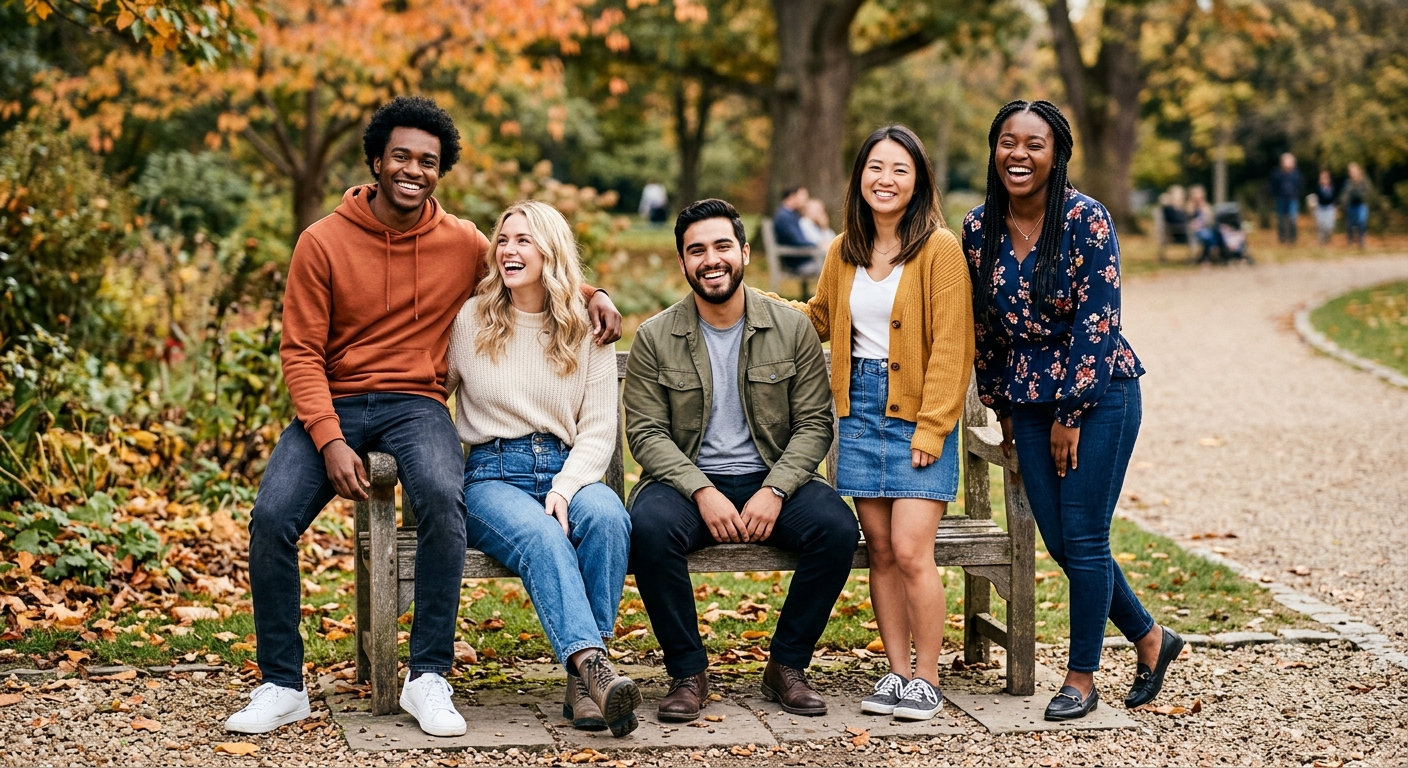
What makes casual work is that it never tries too hard. A soft tee and jeans can look just as put-together as anything more structured, as long as the fit is right and the pieces feel current.
Men
- Plain or graphic tees
- Straight-leg or slim jeans
- Zip-up hoodies or bomber jackets
- Clean sneakers
Women
- Simple tanks or relaxed blouses
- Jeans, joggers, or a casual midi skirt
- Denim jackets or oversized cardigans
- Sneakers, slides, or ballet flats
Also Read : How Couples Can Reduce Wedding Stress
2. Classic Style
Classic style doesn’t chase trends — it outlasts them. Think tailored shapes, muted colors, and pieces that would have looked just as good a decade ago as they do today. It’s the wardrobe of someone who’d rather invest in fewer, better items than restock every season.
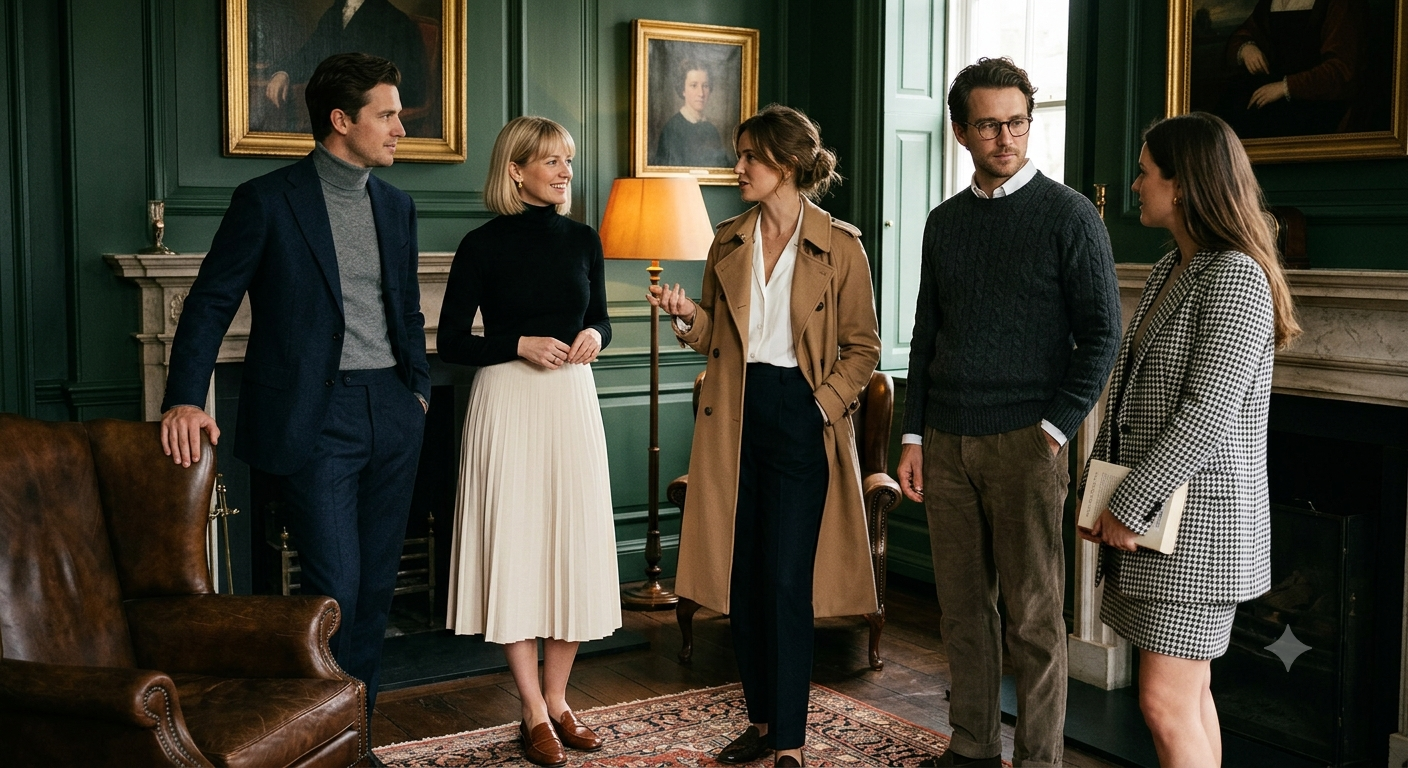
This style rewards good tailoring. A classic outfit isn’t about flash; it’s about fit, fabric, and restraint.
Men
- Oxford or button-front shirts
- Tailored trousers
- Wool blazers or trench coats
- Leather brogues or loafers
Women
- Silk or cotton blouses
- A-line skirts or straight-leg trousers
- Structured blazers
- Pointed flats or low block heels
3. Streetwear Style
Streetwear grew out of skate parks, hip-hop culture, and sneaker obsession, and it still carries that energy. It’s loud in a controlled way — oversized silhouettes, bold graphics, and a layered, lived-in look that feels more like a statement than an outfit.
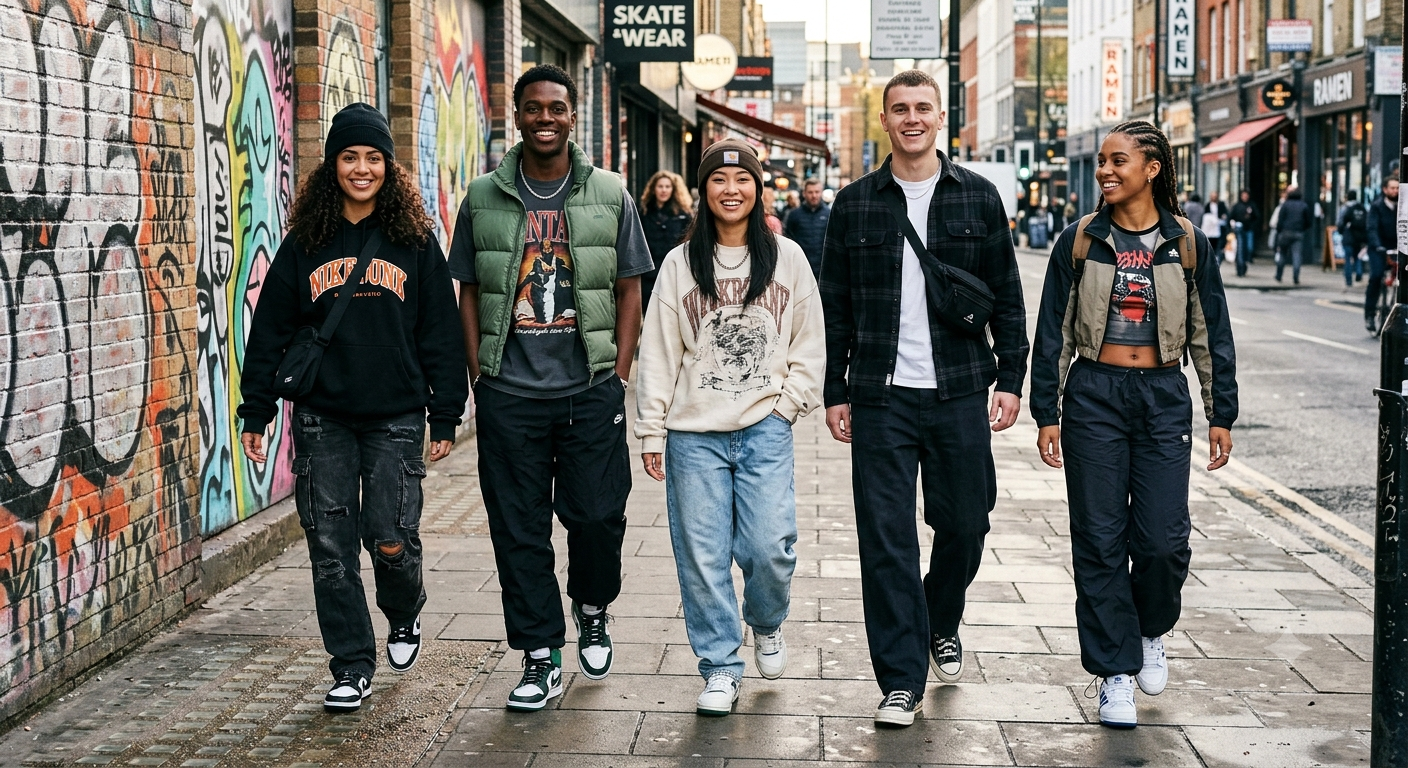
This is a style built on individuality. Logos, brand collabs, and limited drops matter here almost as much as the clothes themselves.
Men
- Oversized graphic tees or hoodies
- Cargo pants or wide-leg denim
- Varsity or bomber jackets
- Chunky, statement sneakers
Women
- Cropped hoodies or oversized sweatshirts
- Baggy jeans or track pants
- Puffer or bomber jackets
- High-top or platform sneakers
4. Chic Style
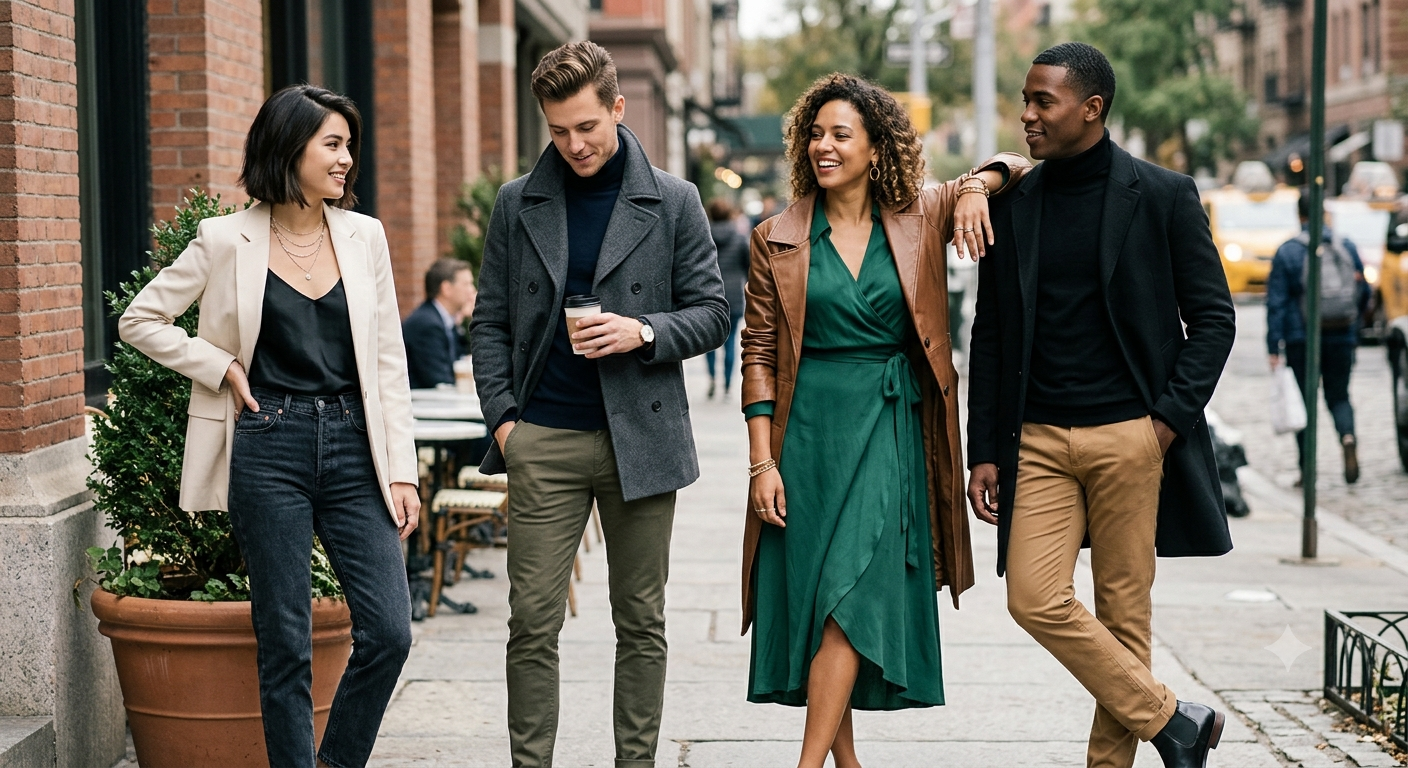
Chic is effortless in appearance, but it’s rarely effortless in execution. It lives in the details — a well-cut trouser, a clean color palette, a silhouette that skims rather than clings. It’s polished without being stiff, which makes it one of the most versatile styles on this list.
Men
- Fitted button-downs
- Slim tailored trousers
- Minimalist overcoats
- Sleek leather shoes
Women
- Tailored tops or silk camisoles
- High-waisted trousers or pencil skirts
- Long structured coats
- Strappy heels or pointed mules
5. Bohemian Style
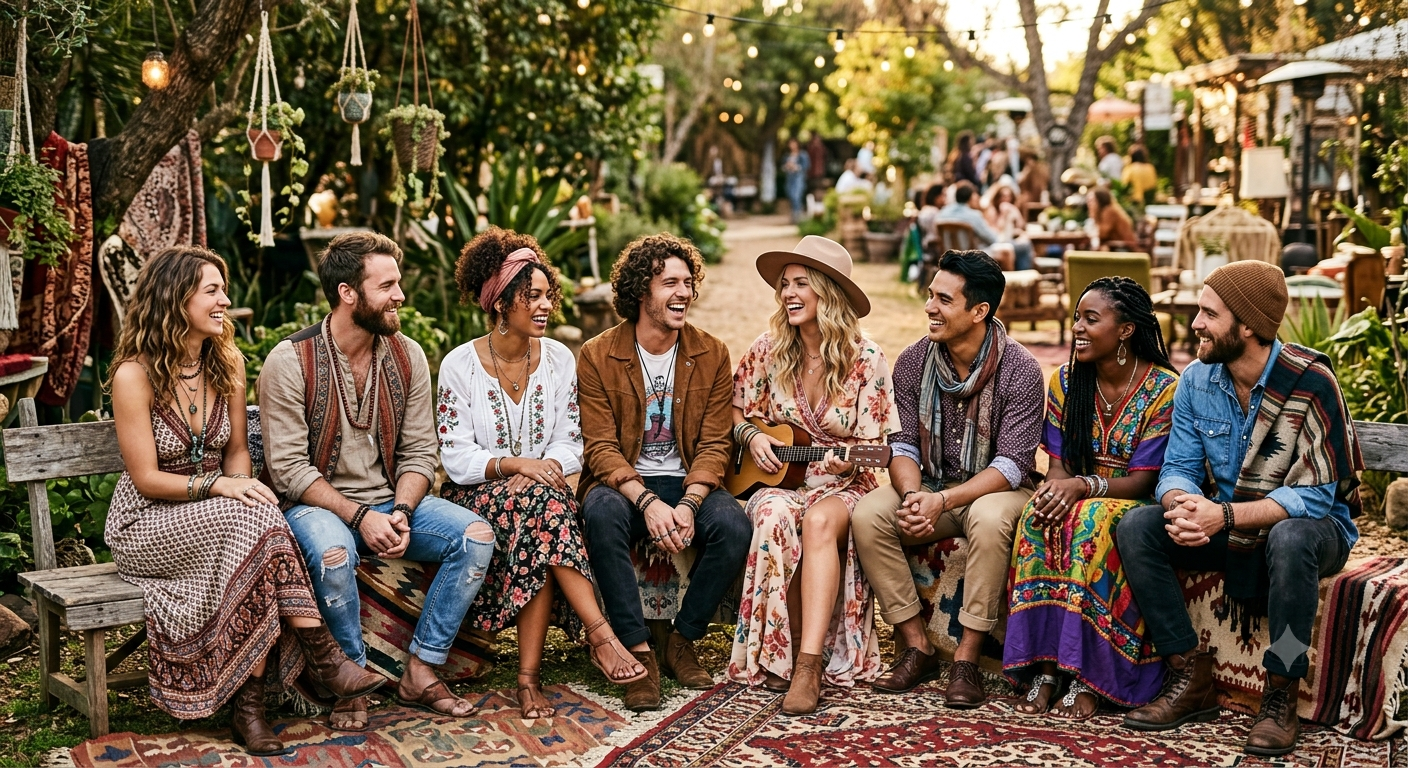
Bohemian, or “boho,” borrows its spirit from artists, travelers, and festival culture. It leans into natural fabrics, earthy tones, and a relaxed, unstructured silhouette. There’s a handmade quality to it — crochet, fringe, embroidery — that makes every piece feel a little bit personal.
Men
- Linen shirts left untucked
- Loose-fit trousers
- Knit vests or open cardigans
- Leather sandals or suede boots
Women
- Flowy maxi dresses or peasant skirts
- Embroidered or crochet tops
- Layered necklaces and woven bags
- Fringe boots or strappy sandals
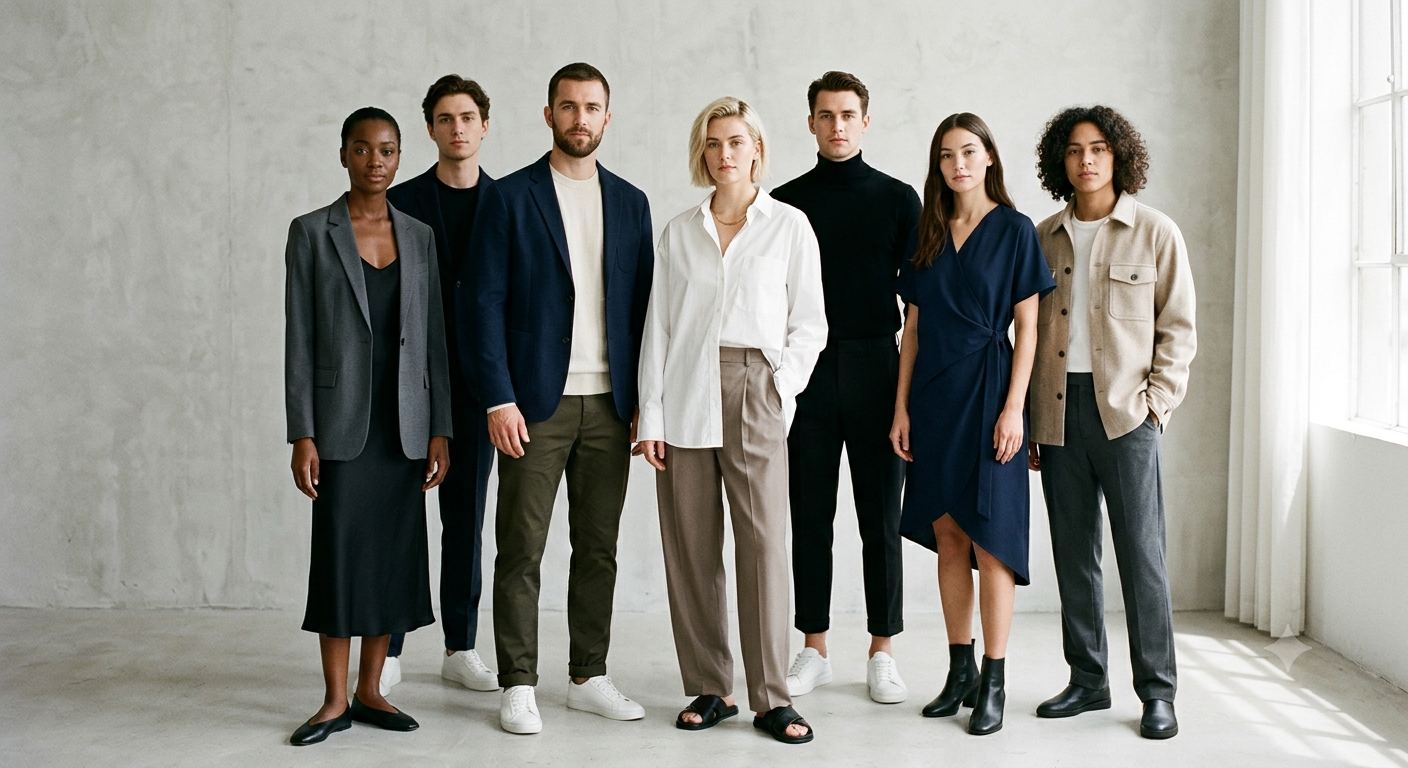
6. Minimal Style
Minimalism strips fashion down to its essentials: clean lines, a tight color palette, and pieces chosen for how well they work together rather than how loud they are. It’s the style of someone who’d rather own ten great things than forty forgettable ones.
Men
- Solid-colored tees or fine-knit sweaters
- Straight trousers in neutral tones
- Structured, unbranded outerwear
- Minimalist sneakers or loafers
Women
- Simple tops in neutral shades
- Tailored trousers or midi skirts
- Clean-lined coats or blazers
- Low-profile flats or slides
7. Sporty Style
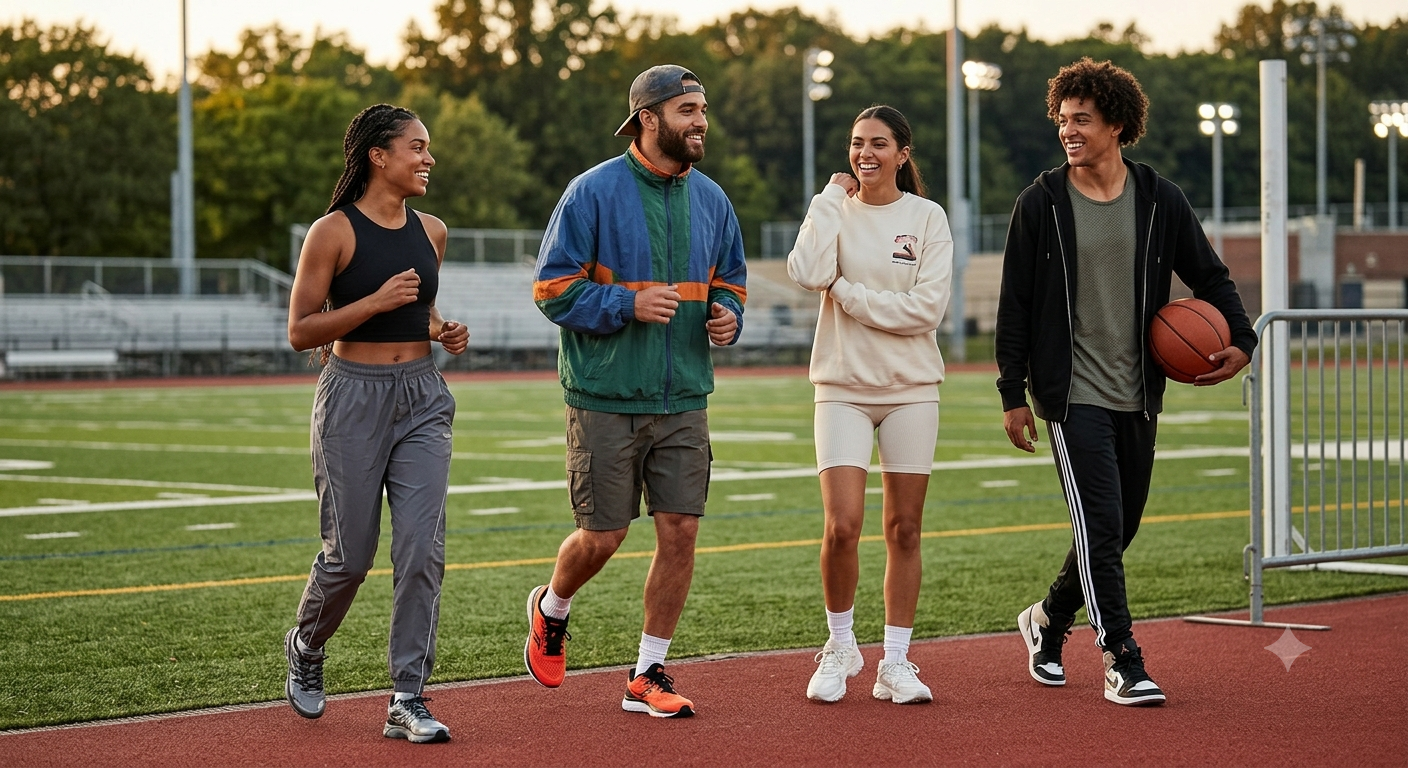
Sporty style takes its cues from the gym, the track, and the sidelines, then brings them into everyday life. It’s built around movement — stretch fabrics, breathable layers, and a relaxed fit that doesn’t restrict anything. Even off the field, it keeps a fresh, athletic edge.
Men
- Performance or moisture-wicking tees
- Joggers or athletic shorts
- Zip-up track jackets
- Running or training shoes
Women
- Fitted athletic tanks
- Leggings or bike shorts
- Cropped zip jackets
- Chunky sneakers
8. Preppy Style
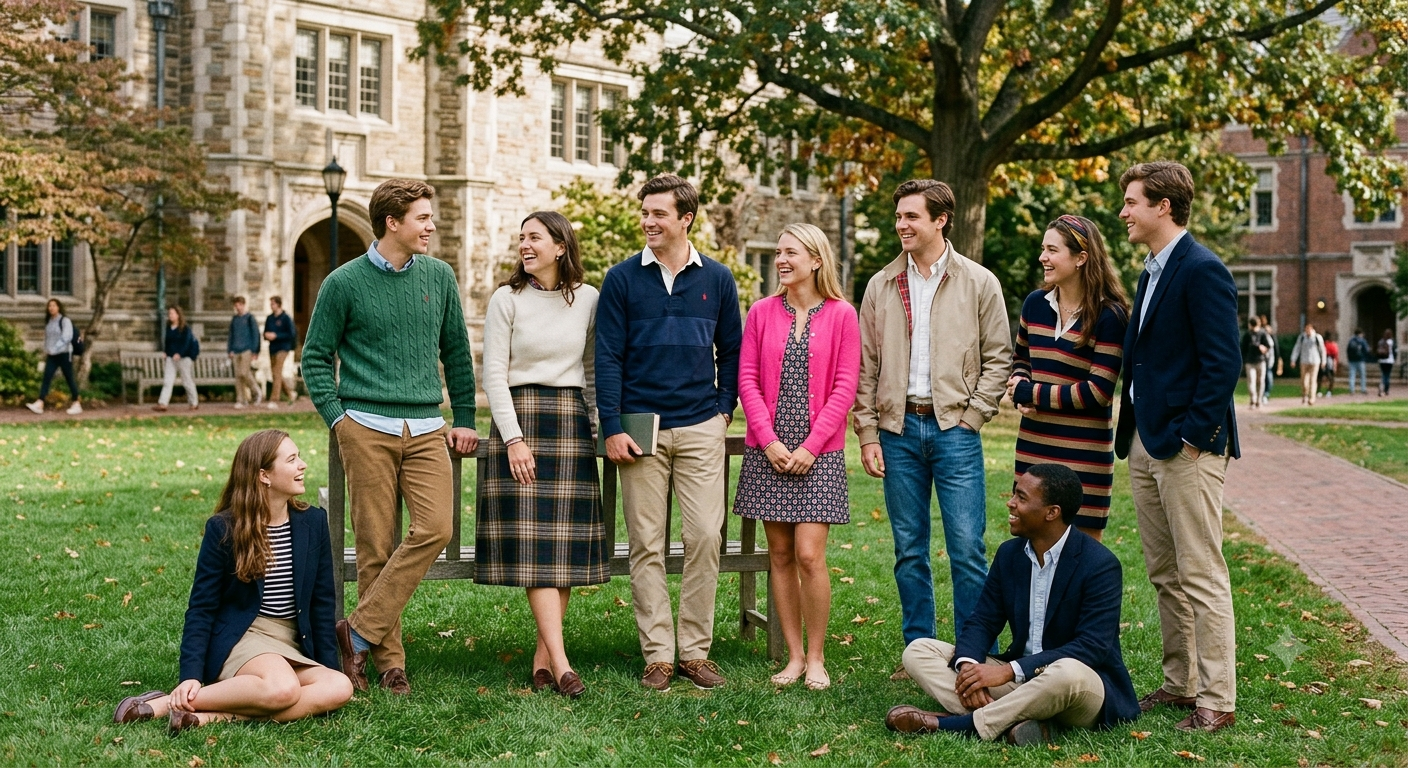
Preppy borrows its DNA from old East Coast prep schools and country clubs — think tennis courts, sailing clubs, and varsity letters. It’s neat, coordinated, and leans on patterns like plaid and stripes to keep things visually interesting without ever looking messy.
If soft, feminine detailing appeals to you more than crisp collars, it’s worth exploring coquette-inspired outfits too — they take that polished sweetness even further with bows and lace.
Men
- Polo shirts or Oxford button-downs
- Chino trousers
- Crewneck sweaters or vests
- Loafers or boat shoes
Women
- Collared blouses or knit polos
- Pleated skirts or tailored shorts
- Cardigans or cable-knit sweaters
- Ballet flats or penny loafers
9. Vintage Style
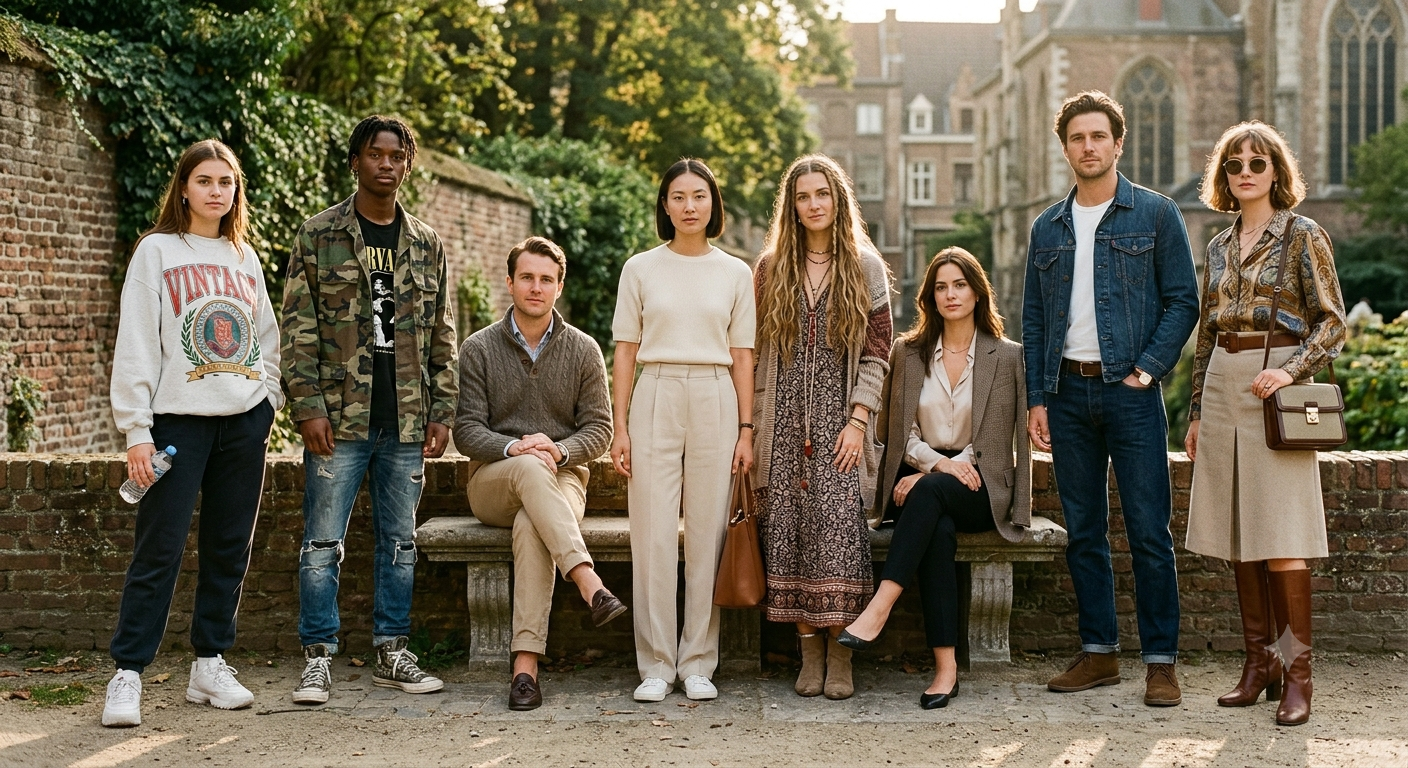
Vintage style pulls directly from decades past — think actual pieces, or ones designed to look like they’ve lived a whole other life before reaching your closet. It carries a sense of history that mass-produced fast fashion can’t fake.
Men
- Retro-print button-ups
- High-waisted trousers
- Wool overcoats
- Classic leather oxfords
Women
- Tea-length or midi dresses
- Printed blouses with statement collars
- Structured, tailored jackets
- Mary Janes or kitten heels
10. Retro Style
Where vintage often means actual old garments, retro means new clothes designed to echo a specific decade’s spirit — usually the 70s, 80s, or 90s. It’s playful, colorful, and unapologetically nostalgic, built around bold prints and unmistakable silhouettes.
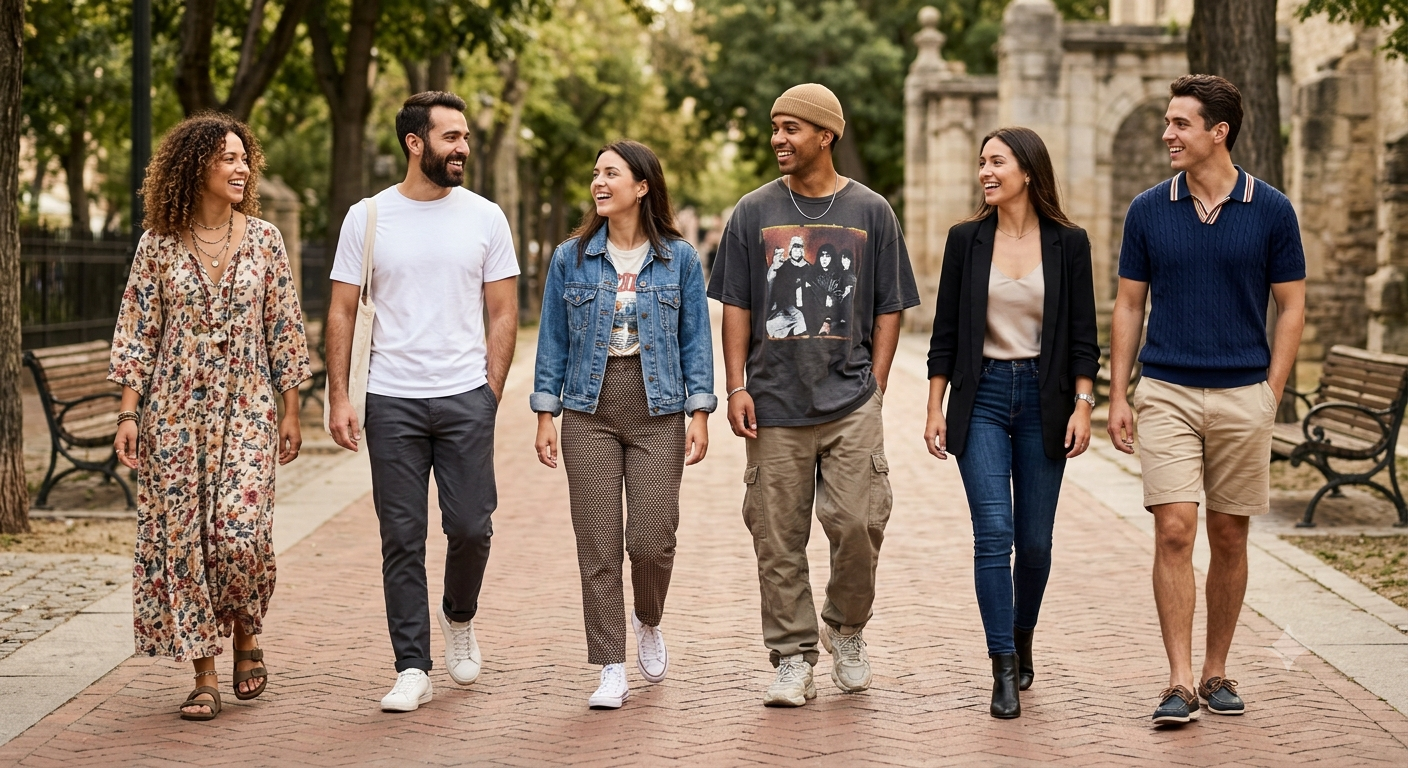
Men
- Bold graphic tees
- Wide-leg or flared trousers
- Patterned bomber jackets
- Retro-style sneakers
Women
- Statement-print tops
- Flared jeans or A-line midi skirts
- Bright, structured jackets
- Platform shoes
11. Artsy Style
Artsy style treats getting dressed like a creative act. It favors texture, asymmetry, and unexpected color combinations over anything predictable. Pieces often look handmade or one-of-a-kind, and the goal is expression, not conformity.
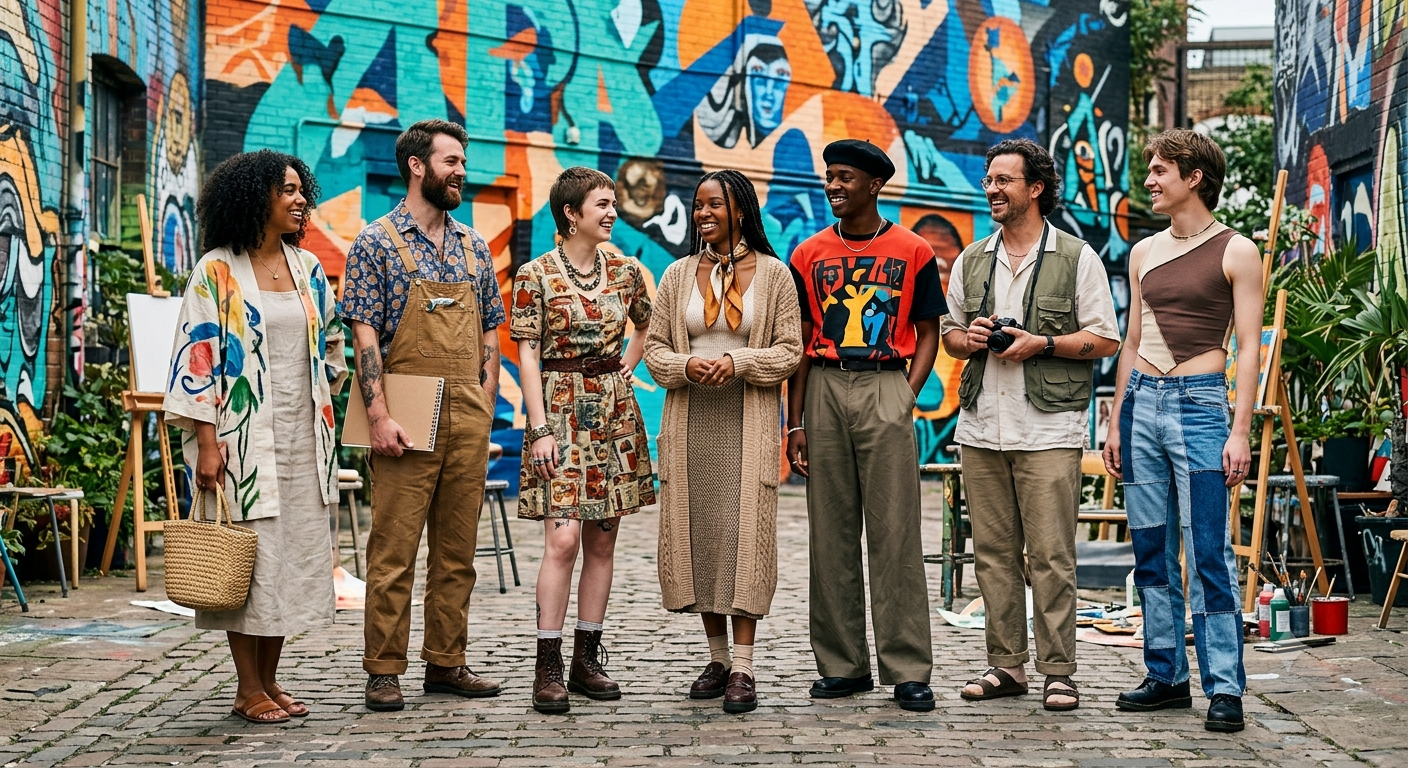
Men
- Textured or oversized shirts
- Cropped or wide-leg trousers
- Layered vests or jackets
- Canvas boots or slip-ons
Women
- Asymmetrical tops or dresses
- Wide-leg pants or patchwork skirts
- Statement outerwear or wraps
- Chunky boots or sculptural flats
12. Grunge Style
Grunge grew out of 90s rock clubs and rainy-city basements, and it still carries that unpolished, slightly rebellious energy. Worn-in fabrics, flannel, and layers that look thrown together (but rarely are) define this look.
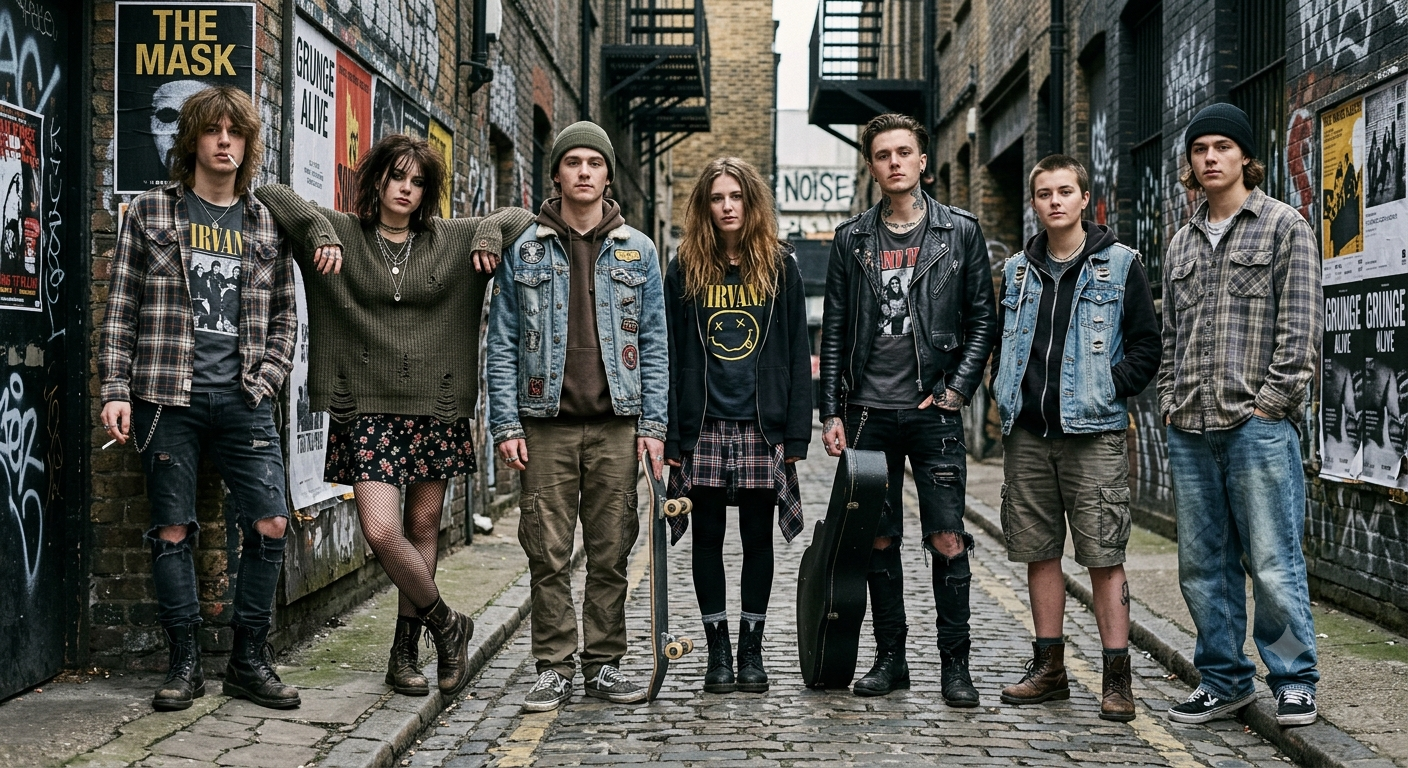
Men
- Flannel shirts
- Distressed jeans
- Oversized knits
- Combat or worn leather boots
Women
- Oversized band tees
- Ripped denim or slip skirts
- Layered flannels
- Chunky combat boots
13. Formal Style
Formal dressing is about occasion — weddings, galas, black-tie dinners, anything that calls for precision over personality. Clean tailoring and refined fabrics do the talking here, and there’s little room for improvisation.
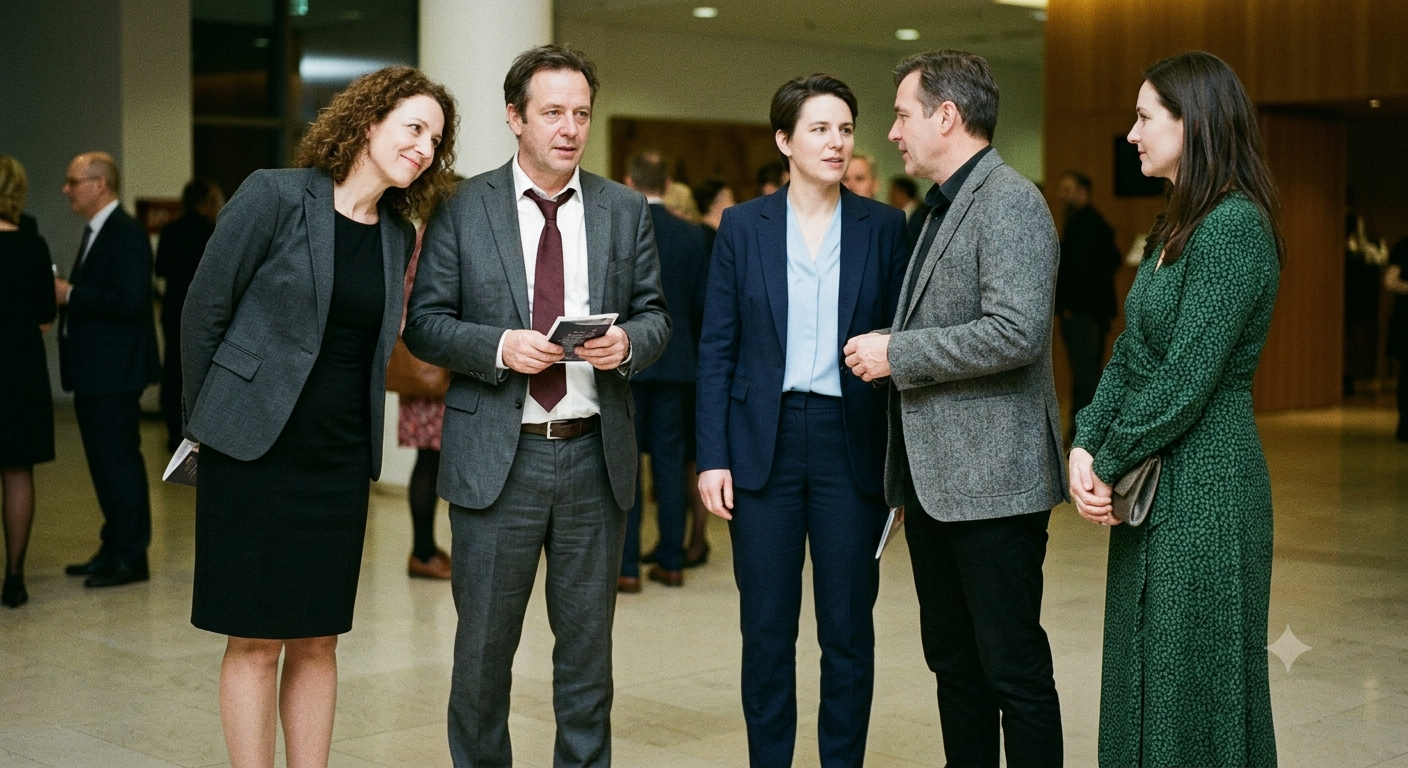
Men
- Tailored suits with dress shirts
- Matching trousers
- Tuxedos for black-tie events
- Polished dress shoes
Women
- Floor-length or cocktail dresses
- Tailored skirt suits
- Fitted blazers
- Heeled pumps or strappy sandals
14. Business Casual Style
Business casual sits in the middle ground — professional enough for the office, relaxed enough that it doesn’t feel like a costume. It’s become the default dress code for a huge share of modern workplaces.

Men
- Button-down shirts
- Chinos or tailored trousers
- Lightweight blazers or sweaters
- Leather loafers or derby shoes
Women
- Blouses or fine-knit tops
- Straight trousers or knee-length skirts
- Cardigans or soft blazers
- Low heels or loafers
15. Gothic Style
Gothic style is dramatic by design — dark colors, dark shapes, dark everything. It draws on Victorian silhouettes, punk rebellion, and horror-movie aesthetics all at once, resulting in a look that’s unmistakably intentional.
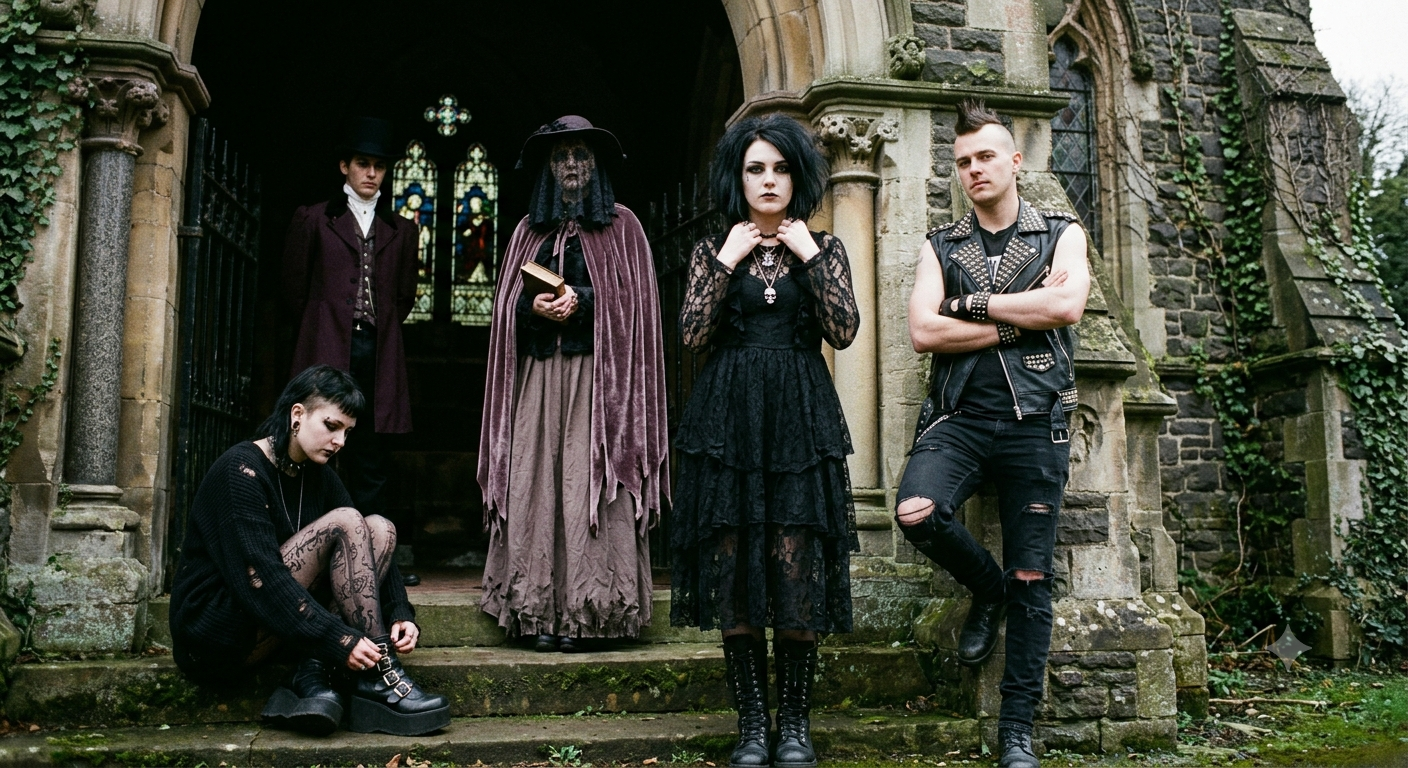
Men
- Black fitted shirts
- Dark tailored or leather trousers
- Long trench coats
- Heavy lace-up boots
Women
- Lace-trimmed dresses
- Corset tops or bodices
- Floor-length skirts
- Platform boots
16. Y2K Style
Y2K style is a direct throwback to the early 2000s — low-rise everything, glossy fabrics, and accessories that were never meant to be subtle. It’s had a major comeback thanks to nostalgia and a new generation discovering it for the first time.
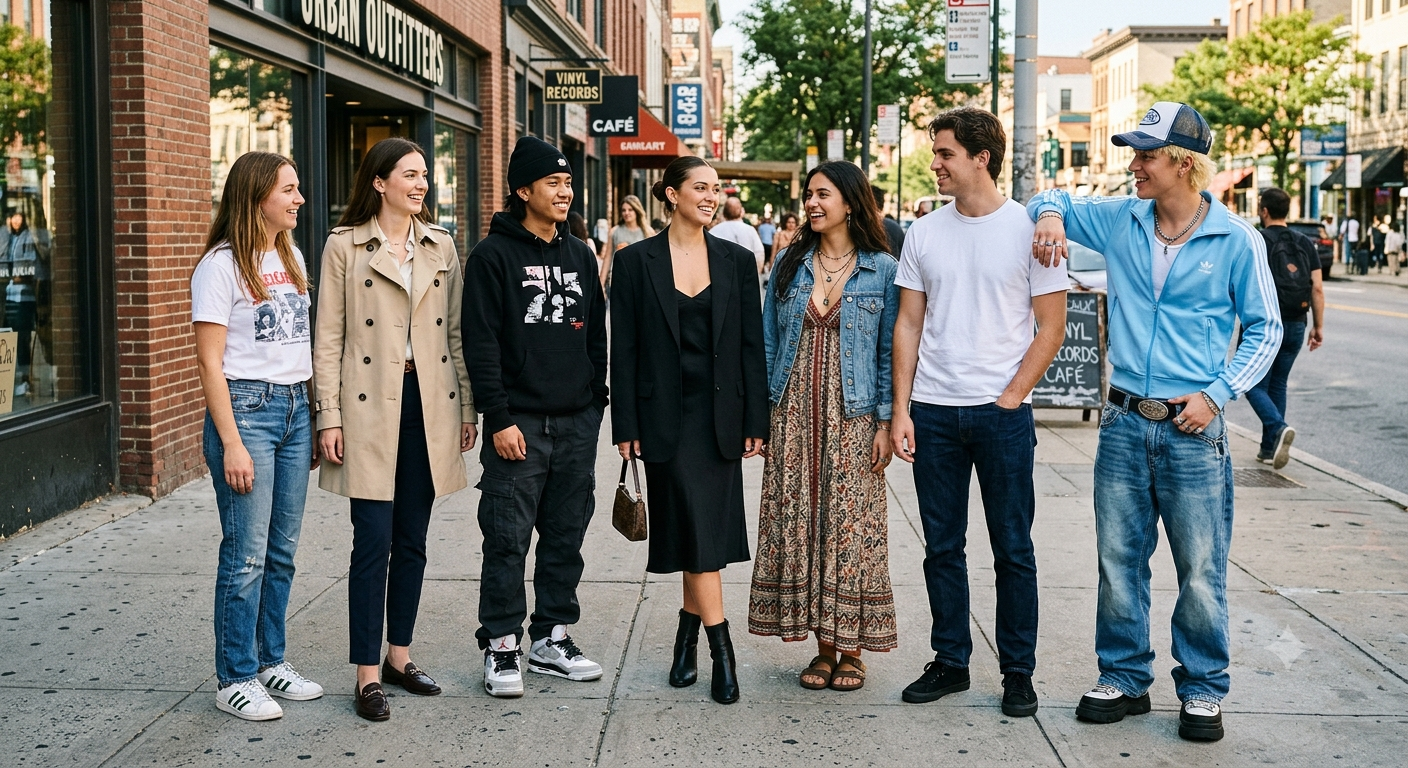
Men
- Graphic tees
- Baggy jeans
- Shiny track jackets
- Chunky sneakers
Women
- Cropped tops
- Low-rise jeans or mini skirts
- Metallic or shiny jackets
- Platform sneakers or heels
17. Cottagecore Style
Cottagecore is the fashion equivalent of a slow Sunday in the countryside. It leans on soft, natural fabrics, gentle florals, and flowing shapes that feel more like a daydream than a trend. It’s calm, romantic, and quietly detailed.
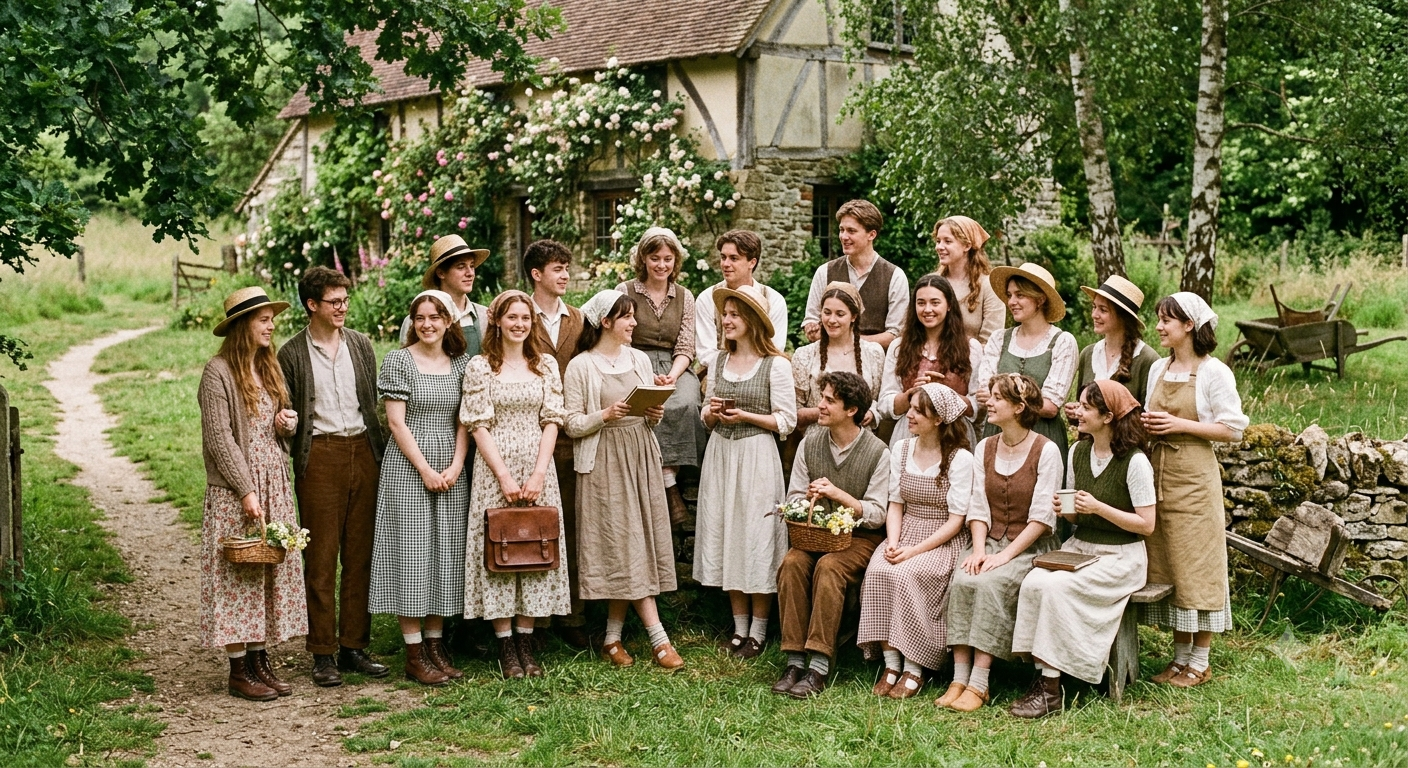
If this resonates, folklore-inspired outfits carry a similar warmth but lean further into storytelling through layers and rustic textures.
Men
- Soft knit sweaters
- Relaxed linen trousers
- Simple button-up shirts
- Suede boots or loafers
Women
- Flowing floral dresses
- Puff-sleeve blouses
- Long, gathered skirts
- Flat sandals or lace-up boots
How to Choose a Clothing Style
Finding your style isn’t about picking a label and forcing yourself into it. It’s closer to noticing a pattern in what you already gravitate toward — then giving that pattern a little more room to grow.
- Look at what’s already in heavy rotation in your closet — that’s a clue, not an accident
- Pay attention to the colors, textures, and shapes you feel most confident in
- Think about your actual daily life — a desk job and a job on your feet call for different foundations
- Borrow one or two elements from a style you admire instead of overhauling everything at once
- Give it time. Style is built in layers, not overnight
The goal isn’t perfection. It’s consistency — a closet where most things work together and getting dressed stops feeling like a daily negotiation.
Your Style Summary
Style stops feeling complicated once you understand what each piece is actually doing for your look. Now that you’ve gone through the major types of clothing styles, you have a much clearer sense of how fit, color, and fabric come together to say something about who you are.
There’s no single “correct” style, and most people end up somewhere in between two or three of these categories. What matters is that it feels like you — comfortable enough to live in, and expressive enough that it still feels worth getting dressed for.
What’s your style? Let us know in the comments.