


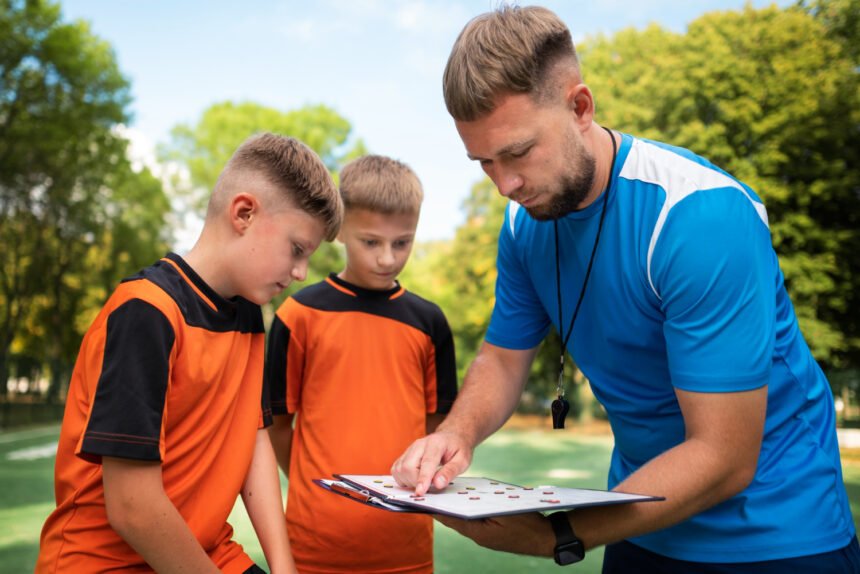
When parents sign a child up for a youth sports program, they are usually thinking about fun, friends, and maybe a little skill building. Safety sits in the background of that decision. Most families assume someone is taking care of it, but they rarely see how. Behind every well-run league is a set of habits, policies, and people that keep kids protected on and off the field.
Safety in youth sports covers more than injuries. It includes who is allowed to work with children, how adults behave around them, what happens in an emergency, and how concerns get reported. Here is how strong programs handle each part.
Screening the Adults Who Work With Kids
The first layer of safety starts before the season does. Coaches, assistant coaches, referees, umpires, team managers, and regular volunteers all spend time around children, so responsible programs check who they are letting in.
A youth sports background check typically searches criminal records and sex offender registries, and it verifies that the records match the person applying. Some states require screening for youth sports volunteers, and national programs such as Little League set their own screening standards. Even where the law does not demand it, most leagues treat it as a basic expectation.
Good programs apply the rule to everyone. The board president, the longtime coach, and the brand new parent volunteer all complete the same process. Renewing the checks on a regular schedule keeps the information current.
Training Coaches and Volunteers
A screening tells a league who someone has been. Training tells them what to do going forward. Well-run programs teach their adults to:
· Recognize warning signs of abuse, bullying, and hazing
· Respond properly when a child shares a concern
· Follow the league’s code of conduct
· Handle injuries, including possible concussions
· Understand their duties as mandated or required reporters, where the law applies
Training does not need to be long or complicated. A short session before the season, with a refresher each year, makes sure everyone shares the same expectations. It also gives new volunteers confidence, because they know what is expected of them.
Setting Clear Rules for Adult and Child Contact
Many safety policies focus on preventing situations where abuse could happen unnoticed. The most common rules are simple and easy to follow:
· Two adults are present at every practice, game, and team event
· No adult is alone with a single child in a locker room, bathroom, vehicle, or closed room
· Practices and games stay open to parents and guardians
· Communication with players goes through parents or through group messages that include a parent or another adult
· Adults do not exchange private messages, photos, or gifts with individual players
These rules protect children, and they protect coaches too. When everyone follows the same standards, there is little room for misunderstanding or false accusations.
Keeping the Playing Environment Safe
Physical safety matters just as much. Before a season starts, leagues should look at the places kids actually play. That means walking the field or gym and checking for holes, debris, unstable goals, worn equipment, and blocked exits. Goals and other heavy equipment should be anchored. Gear should fit properly and be replaced when it wears out.
Weather deserves a plan as well. Programs that handle safety well set clear rules for lightning, extreme heat, poor air quality, and cold. Coaches know when to pause or cancel practice, and they know it is fine to make that call. Water breaks, shade, and reasonable practice lengths help prevent heat illness during warm months.
Preparing for Emergencies
Every program should have an emergency action plan, and every coach should know it. A strong plan answers a few practical questions:
· Where is the nearest phone, and who is responsible for calling for help?
· Where is the first aid kit, and who is trained to use it?
· What is the address or location description to give emergency dispatchers?
· Where is the closest defibrillator, if one is available?
· How will parents be contacted if there is an injury or a serious event?
Coaches should keep player contact and medical information on hand, such as emergency contacts and any conditions a child’s family has asked them to know about. Having that information ready costs almost nothing and saves valuable time when something goes wrong.
Handling Injuries and Concussions
Injuries are part of sports, but how a program responds makes a big difference. Coaches should learn the basics of first aid and know how to tell the difference between a minor knock and something more serious. Concussions need special care. A player who may have a head injury should leave the game or practice right away and should not return until a qualified health professional says it is safe. Many states have their own laws about concussion education and return to play, and leagues should learn what applies where they operate.
The guiding idea is simple. When in doubt, sit the child out.
Creating a Culture Where Kids Can Speak Up
Rules and plans only work if people speak up when something feels wrong. That is why strong programs work on culture as well as policy.
Kids should know that they can tell a trusted adult about anything that makes them uncomfortable, whether it involves a coach, a teammate, or an older player. Parents should know who to contact with a concern. Leagues should publish a simple reporting process and follow through on every report. Retaliation against someone who raises a concern has no place in a youth program.
Culture also shows up in everyday behavior. Coaches who treat players with respect, avoid shaming and yelling, and welcome parent involvement set a tone that the whole program follows. Bullying and hazing among players also need a clear response, because they can do real harm and are often brushed off as normal.
Documenting and Reviewing
Safety is not something a league sets up once and forgets. Programs that stay safe keep records and review them. They store screening results securely, log incidents and how they were handled, and look back at what happened after each season. If a near miss showed a weak spot, they fix it. If a rule was hard to follow, they simplify it.
Insurance plays a role here too. Many carriers expect leagues to have screening, training, and safety policies in place. Written policies also help volunteers, because they give everyone a clear reference when a question comes up.
Making It Manageable for Volunteer Leagues
Many youth programs run on volunteers with limited time. The list above may sound like a lot, but it does not need to happen all at once. A league can start with a few high-impact steps:
· Screen every coach and volunteer before they work with kids
· Adopt a short code of conduct and the two-adult rule
· Hold a brief preseason meeting to cover training and the emergency plan
· Share a simple way for families to report concerns
· Review the fields and equipment before the first practice
Each step builds on the last. Over a few seasons, safety becomes part of the routine instead of an extra task.
Safety Is a Shared Job
No single person can keep a youth program safe alone. League leaders set the policies, coaches carry them out, parents stay involved, and kids learn that their voices matter. When all of those pieces work together, families can relax and let children enjoy the game.
Coach Background helps leagues and organizations take care of the screening piece through an online application and a simple account for reviewing results, so the people running the program can spend their time on the kids. Learn more by visiting coachbackground.com.