

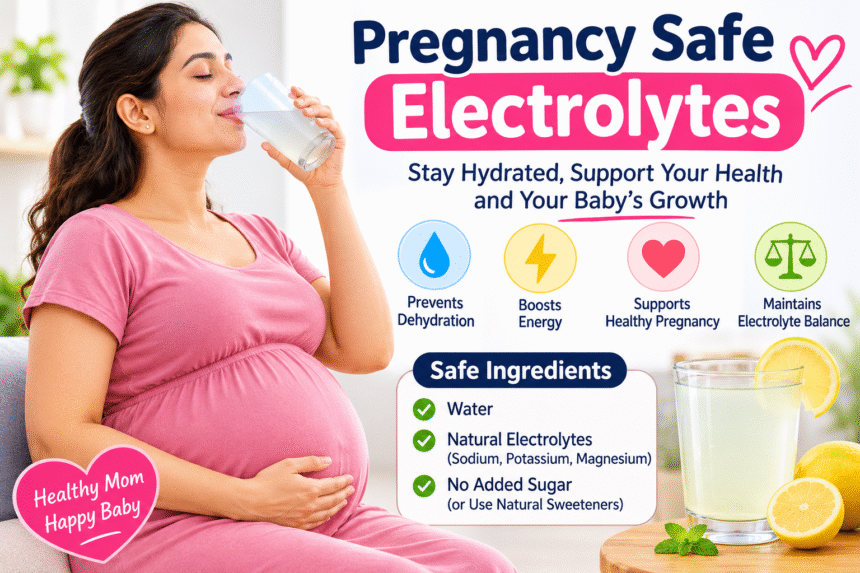
If you have ever stood in a pharmacy aisle in your second trimester, staring at a wall of fizzy tablets, sachets and sports drinks, you already know the problem. Everyone tells you to stay hydrated, but nobody explains what to actually put in the glass. Plain water is the foundation, yet there are days when it is not enough, and that is where pregnancy safe electrolytes come in. This guide walks through what electrolytes do, when you really need them, which sources are sensible, which ingredients deserve a second look, and how to spot the moments when a drink is not the answer and a phone call to your doctor is.
We have kept the advice practical. You will find food ideas, a simple label checklist, a sample day of drinking, and a short list of warning signs. If you are in India, there are also notes on widely available oral rehydration products.
Why your fluid needs go up in pregnancy
Your body is doing a remarkable amount of extra work. Blood volume expands substantially, the placenta needs a steady supply of fluid to pass nutrients and oxygen to your baby, and amniotic fluid has to be constantly renewed. Your kidneys filter more blood than before, which is partly why you visit the bathroom so often.
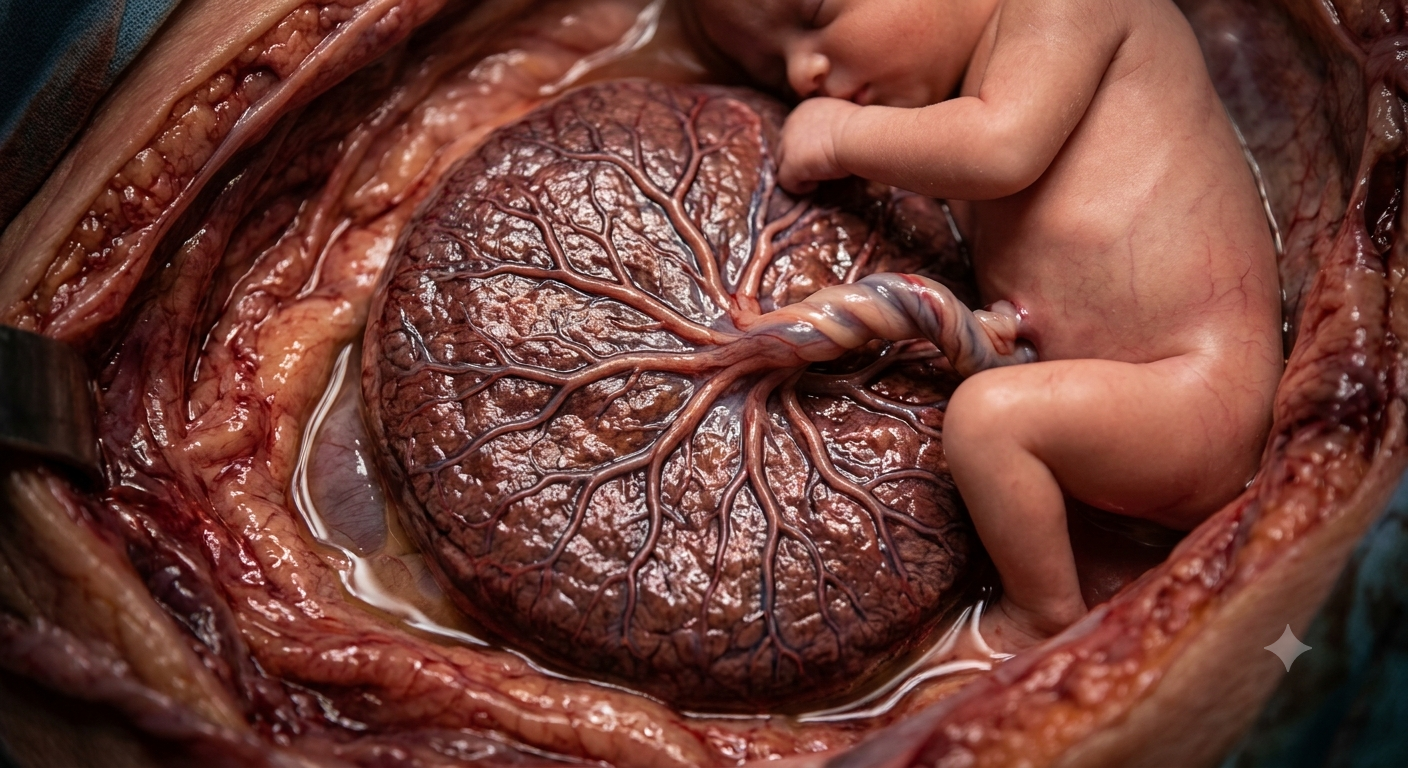
The American College of Obstetricians and Gynecologists suggests that pregnant women aim for roughly 8 to 12 cups of water a day. You can read that guidance on the ACOG page about water intake in pregnancy. Treat the figure as a starting point rather than a rule. Someone living in a hot climate, working on their feet, or dealing with nausea may need more, while someone in a cool office may need a little less.
Mild dehydration is easy to miss. It can look like a dull headache, tiredness, dizziness when you stand up, dry lips, constipation, or dark urine. Left alone, it can make common pregnancy complaints feel worse, and in more serious cases it is linked with problems such as urinary tract infections and contractions that start earlier than they should.
What electrolytes are, in plain language
Electrolytes are minerals that carry a small electrical charge when dissolved in body fluid. The main ones are sodium, potassium, calcium, magnesium, chloride, bicarbonate and phosphate. The US National Library of Medicine has a clear overview on MedlinePlus.
Think of them as traffic controllers. They decide how much water stays inside your cells and how much stays outside, they help your muscles contract and relax, they pass signals along your nerves, and they keep your heartbeat steady. Sodium and potassium do most of the work on fluid balance, magnesium and calcium are heavily involved in muscle and nerve function, and bicarbonate helps keep your blood at the right acidity.
Here is the key idea for pregnancy. Water on its own moves through you fairly quickly. Water that arrives together with a little sodium and a little sugar is absorbed more efficiently, because the gut pulls sodium and glucose in together and water follows. That is the principle behind oral rehydration solutions, which have been used worldwide for decades.
Do you actually need electrolytes while pregnant?
Honest answer: not every pregnant woman needs an electrolyte drink every day. If you eat a varied diet, drink to thirst and your urine is pale yellow, water and food will usually cover you.
Extra electrolytes can genuinely help in a handful of situations:
- Morning sickness and vomiting. Vomiting costs you fluid, sodium, potassium and chloride all at once.
- Diarrhoea or a stomach bug. Same story, and the losses can add up quickly.
- Heat and sweating. Hot weather, long commutes in summer, or time spent outdoors can drain you faster than you expect.
- Food aversions. When fruit, vegetables and dairy make you queasy, your usual mineral intake can slip.
- Plain water feels impossible. A lightly flavoured drink that you will actually finish is better than a glass of water you will not.
- Light exercise. Walking, prenatal yoga or swimming in warm conditions can increase your needs a little.
If none of those apply, there is no need to add anything. More is not better, and a few of the minerals can cause trouble when taken in excess, which we cover below.
How to choose pregnancy safe electrolytes
The label matters more than the marketing. A tub covered in words like “clean”, “natural” or “immunity” tells you nothing about whether it suits a pregnant body. Here is a checklist you can carry to the shop.
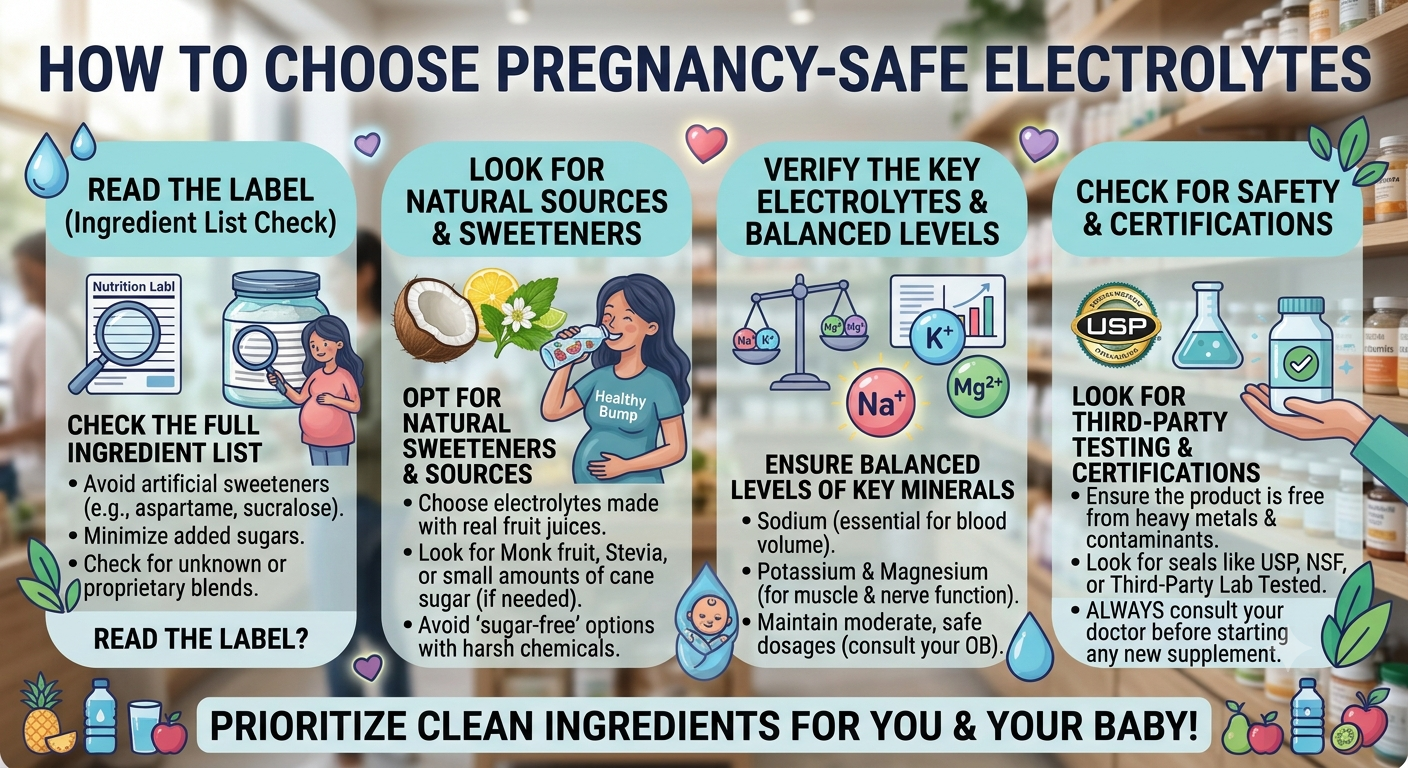
1. Look for a modest sodium and glucose balance. The most trustworthy products follow the logic of a standard oral rehydration solution: some sodium, some potassium, and a measured amount of glucose or dextrose so the minerals are absorbed properly. Oral rehydration salts built to the World Health Organization pattern are a sensible reference point.
2. Check the potassium and magnesium amounts. These are fine in food-level amounts. High-dose supplement-style quantities are another matter and should only be taken if your doctor has suggested them.
3. Read the sugar line. A small amount of sugar is part of how rehydration works, so “zero sugar” is not automatically better for a day of vomiting. On the other hand, a bottle with the sugar of a soft drink is a poor choice, particularly if you have gestational diabetes or a family history of it.
4. Scan for caffeine and stimulants. Some “energy” or “focus” hydration mixes contain caffeine, guarana, green tea extract or similar. Pregnancy guidance generally caps caffeine at about 200 mg a day, and you will probably want to spend that allowance on a cup of tea or coffee you enjoy, not hide it in a powder.
5. Avoid herbal blends and “detox” additions. Many botanical ingredients simply have not been studied in pregnancy. If a product lists a herb you do not recognise, leave it on the shelf or ask a pharmacist.
6. Choose products from regulated, traceable makers. A batch number, a clear ingredient list, and a manufacturer you can actually contact are all good signs.
7. Tell your care team what you are using. This takes ten seconds at an antenatal appointment and avoids surprises, especially if you take iron, calcium or a prenatal vitamin that already contains minerals.
A useful rule of thumb: the closer a product is to a plain, well-established oral rehydration formula, the safer it is likely to be for ordinary use. The more it resembles a performance supplement or a wellness trend, the more questions you should ask.
Food first: everyday sources of electrolytes
Food is the gentlest and most reliable way to top up minerals, and it brings fibre, vitamins and protein along with it.
- Potassium: bananas, oranges, potatoes (with skin), sweet potatoes, tomatoes, avocado, beans, lentils, spinach and yoghurt.
- Magnesium: pumpkin seeds, almonds, cashews, oats, whole wheat, leafy greens, and cooked beans.
- Calcium: milk, curd or yoghurt, paneer, fortified plant milks, ragi, and tofu set with calcium.
- Sodium and chloride: most people get plenty from ordinary cooking and packaged food. Pregnancy does not usually call for extra salt unless a clinician has told you so.
- Water-rich foods: watermelon, cucumber, oranges, strawberries, muskmelon, and soups all count toward your fluids.
A bowl of curd rice with a banana, a glass of buttermilk, or a handful of nuts and a piece of fruit all do quiet electrolyte work without a single sachet.
Drinks that carry electrolytes
Not all electrolyte drinks are alike. Here is how the common options compare for pregnancy.
Coconut water. Naturally rich in potassium and light on sugar compared with juice. It is a pleasant choice in hot weather. Because it is high in potassium, treat it as a drink to enjoy once a day or so rather than a litre-a-day habit, and check with your doctor if you have kidney problems.
Milk and buttermilk. They supply fluid, calcium, potassium, and protein together. Buttermilk (chaas) with a pinch of salt is a traditional favourite in many households and works well in summer.
Oral rehydration salts (ORS). These are the most evidence-based option when you have lost fluid through vomiting, diarrhoea, or heavy sweating. They are inexpensive and easy to find. More on these in the next section.
Sports drinks. They contain electrolytes but are often sweeter and lower in sodium than a proper rehydration solution. An occasional glass is fine, though they are rarely the best option.
Fruit juice. Fine in small amounts, but the sugar load is high. Diluting 100% juice with water makes it gentler.
Electrolyte tablets and powders. Convenient, but quality varies widely. Apply the label checklist above before you buy.
Herbal teas. They help with fluid intake, though not every herbal tea is suitable for pregnancy. Ginger and peppermint are widely used for nausea, but check with your midwife or doctor about what suits you.
Oral rehydration solutions: the workhorse option
If you want one tool for the days when you are unwell or depleted, an oral rehydration solution is it. Standard ORS sachets mix sodium chloride, potassium chloride, sodium citrate and glucose, and they are designed so that your gut absorbs fluid quickly.
When shopping for pregnancy safe electrolytes in India, a standard WHO-pattern ORS sachet or a ready-to-drink ORS carton from a recognised pharmacy brand is a sensible, affordable place to start. Ready-to-drink cartons, powders and fruit-flavoured sachets are all sold in pharmacies. Flavoured liquid versions are especially helpful when the taste of plain water turns your stomach.
A few practical points:
- Mix exactly as directed. A standard sachet is dissolved in the stated amount of clean, safe water. Adding less water makes the drink too concentrated, which defeats the purpose.
- Use boiled and cooled or otherwise safe water. This matters more than people realise when you are already queasy.
- Sip, do not gulp. Small, steady sips are easier to keep down than a large glass.
- Use within the time on the pack. Prepared solution generally should not sit around for long, especially in the heat. Check the leaflet.
- Do not use ORS as a daily replacement for water. It is a tool for particular situations.
- Glucose-based energy powders are not the same thing. They can supply a quick lift but are not balanced as rehydration solutions, and they are mostly sugar.
If you have gestational diabetes, ask your care team before using products that contain dextrose. They may still advise ORS during an illness, since dehydration carries its own risks, but they will want to know.
A simple home-made rehydration drink
When you cannot get to a shop, the World Health Organization has long described a basic home recipe: six level teaspoons of sugar and half a level teaspoon of salt, dissolved in one litre of clean drinking water. Level means level, not heaped, so use proper measuring spoons and stir until everything dissolves. Taste it. It should be no saltier than tears.
This is a stopgap, not a lifestyle. A commercial sachet is more accurate, and if vomiting or diarrhoea lasts more than a day, you should be speaking to a clinician anyway.
Morning sickness, hyperemesis and electrolytes
Nausea turns hydration into a daily puzzle. You cannot face water, you cannot keep much down, and meanwhile your body is asking for more fluid, not less.
Some strategies women find useful:
- Take tiny sips every few minutes instead of a full glass at once.
- Try drinks very cold, or over ice chips, or as a frozen lolly made from diluted ORS or coconut water.
- Add lemon, ginger or mint to cool water if the smell of plain water bothers you.
- Drink between meals rather than with them if large volumes of liquid make you feel full and sick.
- Keep dry crackers or plain toast at your bedside and eat a few before you stand up in the morning.
This is where pregnancy safe electrolytes earn their place: a light, flavoured oral rehydration drink can replace what repeated vomiting takes out, in a form your stomach may tolerate better than water alone. Ginger, lemon and very cold sips between meals are other gentle ways to cope with nausea.
But it is important to know where the line is. Ordinary morning sickness is common. Hyperemesis gravidarum is a severe form that can lead to significant dehydration, weight loss and electrolyte disturbance, and it generally needs medical treatment, sometimes including intravenous fluids. Call your doctor or midwife promptly if you cannot keep any fluid down for 24 hours, if you pass very little urine or it is very dark, if you feel faint, or if you are losing weight.
Staying hydrated in hot weather
Pregnancy raises your resting body temperature and makes you sweat more, so summer can be draining. Several habits help:
- Carry a water bottle and sip from it through the day, rather than waiting for thirst.
- Plan outdoor errands for early morning or evening.
- Add a pinch of salt and a squeeze of lemon to water, or use a diluted ORS drink, on very hot days.
- Eat water-rich fruit like watermelon, muskmelon and oranges.
- Wear loose, breathable clothing and rest in the shade.
- Check your urine colour: pale straw is the goal, and dark amber means drink more.
If you feel dizzy, develop a pounding headache, notice a racing heartbeat, or stop sweating despite the heat, sit down somewhere cool, drink fluids and contact your doctor. Heat illness is not something to wait out.
If you want gentle ways to stay active while you drink more and sweat a little, browse our yoga articles, and always check with your care provider that a routine suits your stage of pregnancy.
A trimester-by-trimester view
First trimester. Nausea and vomiting are the main challenges. Your actual fluid needs rise only modestly, but your ability to meet them is at its lowest. Small, frequent sips and the occasional oral rehydration drink help most.
Second trimester. Appetite usually returns, and blood volume is climbing quickly. Water, milk, fruit and vegetables usually cover your needs. Add electrolytes on hot days or after illness.
Third trimester. Fluid needs are at their highest, and swelling, constipation and frequent night-time urination often arrive together. Counter-intuitively, drinking enough fluid tends to reduce swelling rather than worsen it. Keep a close eye on sudden swelling, which is covered in the warning signs below.
Breastfeeding. Your needs stay high after the birth because you are producing milk. Drink to thirst and keep a glass nearby every time you feed.
If your baby has already arrived, our guide to cluster feeding in newborns explains why you may feel unusually thirsty during those long evening feeds, and why a full glass of water within reach helps.
What to limit or avoid
Some ingredients and habits are worth steering around when you shop for pregnancy safe electrolytes.
- High-dose potassium or magnesium supplements. Too much potassium can disturb the heart rhythm, and too much magnesium can cause weakness and low blood pressure. Take these only on medical advice.
- Very high sodium products. Salt itself is not forbidden, but a steady stream of very salty drinks on top of processed food can push sodium too high, which matters especially if you have high blood pressure.
- Caffeine-containing mixes and energy drinks. Keep your total daily caffeine around the 200 mg guideline.
- Lots of added sugar. It adds calories without nutrition and can complicate blood sugar control.
- Unfamiliar herbal extracts. Evidence in pregnancy is thin for many of them.
- Alcohol-containing “tonics”. No amount is considered safe in pregnancy.
- Doubling up. If you take a prenatal vitamin, an iron tablet, a calcium supplement and an electrolyte mix, the minerals can overlap. Ask a pharmacist to check the combined totals.
A note on leg cramps: many people reach for magnesium when cramps strike in the third trimester. The research on whether magnesium actually helps is mixed, so it is worth asking your care provider before starting a supplement, and trying stretching, gentle walking and good hydration first.
When you should talk to a clinician first
Electrolytes are not a casual extra for everyone. Ask your doctor before using rehydration products or high-mineral drinks regularly if you have:
- Chronic kidney disease or other kidney problems
- High blood pressure, or a history of preeclampsia
- Heart disease
- Gestational or pre-existing diabetes
- Any condition for which you have been told to restrict fluids, sodium or potassium
- A regular prescription for diuretics or blood pressure medicines
The reason is simple: your kidneys and heart are the organs that keep mineral levels in a safe range. If either is under strain, the margin for error shrinks.
Signs of dehydration and warning signs not to ignore
Early signs of dehydration:
- Thirst, dry mouth or cracked lips
- Dark yellow urine, or going many hours without urinating
- Headache or light-headedness
- Tiredness and difficulty concentrating
- Constipation
- Muscle cramps
These usually respond to fluids, rest and, if appropriate, an oral rehydration drink.
Seek medical help promptly if you notice:
- You cannot keep fluids down for 24 hours
- Severe or persistent diarrhoea
- Fainting, confusion, or a racing or irregular heartbeat
- Very little or no urine for many hours
- Fever with vomiting or diarrhoea
- Regular tightening or contractions before 37 weeks
- A decrease in your baby’s movements
- Sudden swelling of the face or hands, a severe headache that does not ease, or changes in your vision, which can be signs of preeclampsia
In these situations a drink will not solve the problem, and you should not wait.
A sample day of hydration
This is only an illustration to show how fluids, food and electrolytes can fit together on an ordinary day. Adjust for your appetite, climate and medical advice.
- On waking: a glass of water, plus a plain biscuit or toast if you are nauseous.
- Breakfast: oats or poha with a banana, and a glass of milk.
- Mid-morning: coconut water or a glass of lemon water with a tiny pinch of salt.
- Lunch: dal, vegetables, rice or roti, and curd, followed by water.
- Afternoon: a piece of watermelon or an orange, and water or a cup of herbal tea you have checked is suitable.
- Evening: buttermilk, or a handful of nuts and a glass of water.
- Dinner: a light meal with a vegetable soup or dal, then water.
- Before bed: a small glass of water, taking care not to drink so much that you are up all night.
On a day when you are ill or sweating heavily, swap one or two of those drinks for a properly mixed oral rehydration solution, sipped slowly.
Common myths, answered
“Drinking more will make my swelling worse.” Usually the reverse. Dehydration encourages your body to hold on to fluid.
“Sports drinks are the same as rehydration salts.” Not really. They are typically sweeter and lower in sodium than a true rehydration formula.
“Natural means safe.” Not always. Coconut water is a fine example of a natural drink that is high in potassium, and some herbs are best avoided in pregnancy.
“I should drink as much as I possibly can.” Excess water can dilute blood sodium, which is dangerous. Drink steadily to thirst, and aim for pale urine rather than endless glasses.
“Tea and coffee dehydrate you.” In moderate amounts they still contribute to your fluids. The more relevant limit is caffeine itself, at around 200 mg a day.
Frequently asked questions
Are there pregnancy safe electrolytes I can buy without a prescription? Yes. Standard oral rehydration salts, plain ready-to-drink ORS from a recognised pharmacy brand, coconut water, buttermilk and milk are all widely used. Check the label against the checklist earlier in this article, and mention what you use to your care provider.
Can I drink electrolytes every day while pregnant? If you are healthy and eat well, you probably do not need to. On hot days or after illness, an electrolyte drink is reasonable. If you want to use something daily, talk to your doctor first, particularly if you have blood pressure, kidney or sugar concerns.
How much fluid should I drink? The common guidance is roughly 8 to 12 cups of water a day, adjusted for climate, activity and how you feel. Pale urine is a handy sign that you are on track.
Is coconut water good for pregnancy? It can be a refreshing source of potassium and fluid. Enjoy it in moderation and skip it, or ask your doctor, if you have kidney disease.
Can electrolytes help with leg cramps? Staying hydrated may help, but the evidence for magnesium supplements in particular is mixed. Ask your care provider before starting one.
Can I use ORS if I have gestational diabetes? Often yes during illness, because dehydration is risky too, but the glucose content means you should check with your care team first.
Are electrolyte tablets safe in the first trimester? The same rules apply as in any trimester. Choose a simple formula, avoid stimulants and herbal extras, and check with your provider if you are unsure.
Is plain water enough? For most people on most days, yes. Electrolytes are a helpful extra when you have lost fluid or cannot drink enough plain water.
The bottom line
Hydration in pregnancy does not have to be complicated. Drink steadily through the day, eat a varied diet that includes fruit, vegetables, dairy or alternatives, and keep a simple oral rehydration option in the cupboard for days when you are sick or overheated. Choosing pregnancy safe electrolytes comes down to a few habits: read the label, avoid stimulants and unfamiliar extras, respect your medical conditions, and tell your care team what you are taking.
And if something feels wrong, such as persistent vomiting, dizziness, sudden swelling or reduced baby movements, do not try to fix it with a drink. Call your doctor or midwife. They would always rather hear from you early.
For more family wellness reads, visit our Health section, explore the Mom Life category, and once your baby is born, try our free Baby Age Calculator.
Related reading
- Cluster Feeding in Newborns: Why It Happens, How Long It Lasts, and How to Get Through It
- Health articles for the whole family
- Yoga and gentle movement for moms
- Mom Life: real stories and everyday tips
- Baby Age Calculator
- Famousparenting Momlife: The Complete Guide to Real Motherhood, Every Stage
- About Famousparenting Momlife
- Blog home