



Laser hair removal has moved from a specialty service to a mainstream option in most major metropolitan markets, and the range of providers — from medical spas to dermatology practices to dedicated laser hair removal chains — has grown with demand. Texas in particular has seen rapid expansion in the number of clinics offering the service, driven by the state’s large population centers, year-round warm weather, and a consumer base that tends to prioritize personal grooming and aesthetics. With that many options available across Dallas, Houston, Austin, San Antonio, and dozens of smaller cities, understanding what distinguishes quality providers helps make decisions that produce the results you’re looking for.
What Makes a Provider Worth Choosing
The best laser hair removal texas evaluations consistently identify provider selection criteria that predict good outcomes: properly trained technicians using clinically appropriate equipment for your skin and hair type, clear pre-treatment protocols including sun avoidance and skincare pause requirements, transparent pricing structures, and responsive communication when post-treatment questions arise.
The American Society for Laser Medicine and Surgery represents medical professionals in laser medicine and provides guidance on professional standards for laser hair removal treatment.
Beyond those baseline qualifications, a few less obvious factors separate the clinics that produce consistently good results from those that leave patients disappointed or dealing with complications.
Staff turnover is one of them. Clinics with high technician turnover often struggle with consistency because each new technician brings slightly different technique and experience levels. When a practice retains its staff for years, those technicians accumulate firsthand knowledge of how different skin types respond to their specific equipment, how to adjust settings in real time based on what they’re seeing during a session, and how to manage the rare cases where a patient’s skin reacts unexpectedly. Asking how long the lead technician has been with the clinic is a perfectly reasonable question during a consultation, and the answer tells you something about the stability and culture of the practice.
Consultation quality is another indicator. A thorough initial consultation should include an honest assessment of expected results based on your skin tone and hair color, a clear explanation of how many sessions you’ll likely need, a discussion of any medications or skincare products you should pause before treatment, and a straightforward conversation about pricing for the full course of treatment.
Clinics that rush through this step or skip it entirely in favor of getting you on the table faster are prioritizing volume over outcomes. If you’re weighing membership-style pricing versus paying per visit, it’s worth understanding how these plans typically work — see this rundown of med spa membership options and how to evaluate them for more on what to look for.
Understanding Laser Technology
Not all lasers work the same way, and the equipment a clinic uses has a direct impact on both the effectiveness and safety of treatment. The most commonly used systems in Texas clinics include Alexandrite lasers, diode lasers, and Nd:YAG lasers, each with different wavelengths suited to different skin and hair combinations.
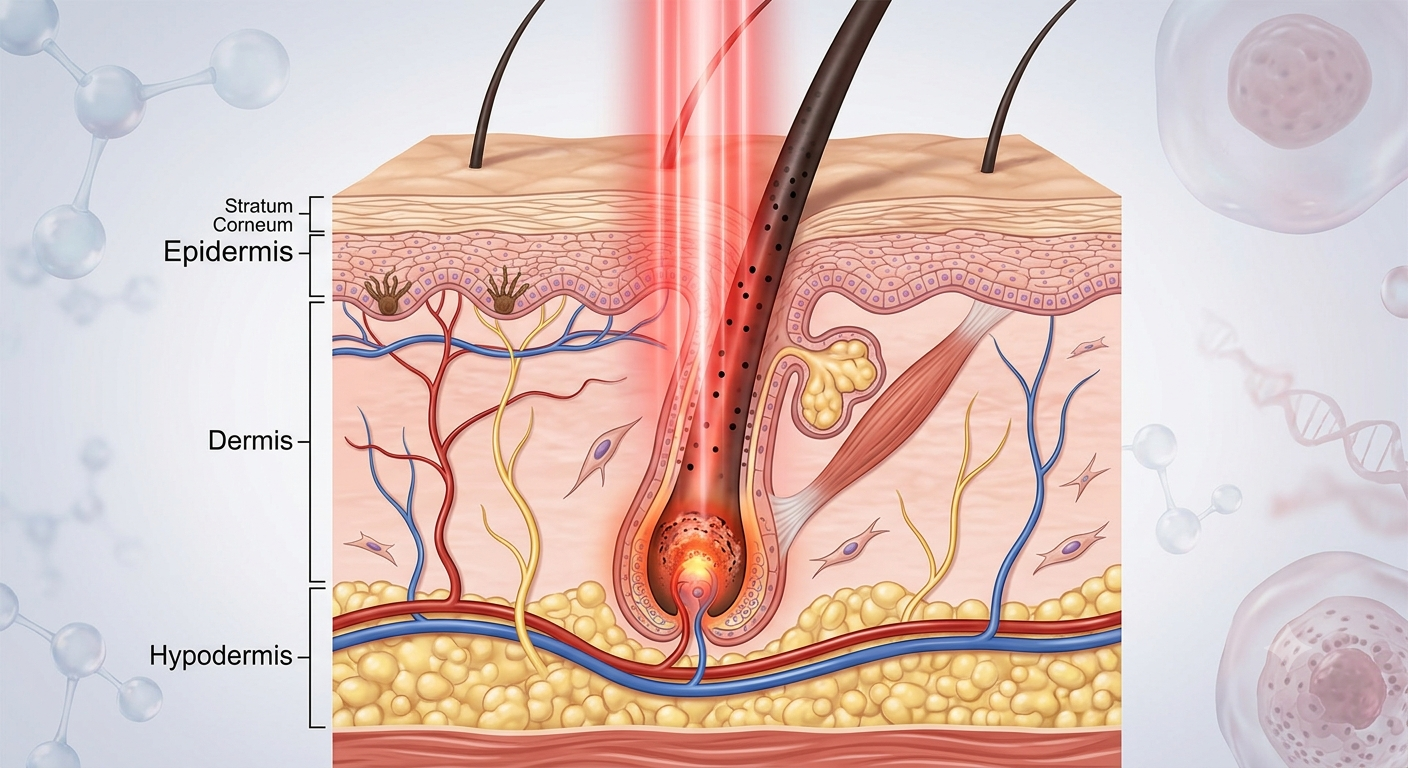
Alexandrite lasers operate at a 755nm wavelength and tend to work well on lighter skin tones with dark hair. They cover large treatment areas quickly, which makes them popular for legs, backs, and other broad surfaces. Diode lasers (typically 800-810nm) offer a middle ground, working effectively across a wider range of skin tones while still delivering strong results on coarse, dark hair. Nd:YAG lasers operate at 1064nm and are generally considered the safest option for darker skin tones because the longer wavelength bypasses the melanin in the skin’s surface and targets the hair follicle more directly.
The reason this matters for consumers is that a clinic using only one type of laser may not be equipped to treat every patient safely and effectively. A provider that offers multiple laser platforms or uses a system with adjustable wavelengths can customize treatment to the individual rather than applying a one-size approach. During a consultation, asking what type of laser the clinic uses and why they chose that system for your specific skin and hair type is a question that reveals how thoughtfully the provider approaches treatment planning.
What the Reviews Show
Texas laser hair removal reviews consistently highlight provider experience, equipment quality, and post-treatment support as the factors most correlated with patient satisfaction. Simplicity Laser has locations throughout Texas with standardized protocols across locations.
Patterns in negative reviews are just as instructive as the positive ones. The most common complaints across Texas clinics fall into a few categories: inconsistent results between sessions (often caused by technician variation or improperly calibrated equipment), unexpected costs that weren’t disclosed during the initial consultation, difficulty scheduling follow-up sessions within the recommended timeframe, and inadequate response when patients experience side effects or have questions between appointments.
Post-treatment support deserves particular attention. Laser hair removal is a multi-session process that unfolds over months, and questions come up between appointments. Redness that lasts longer than expected, ingrown hairs during the shedding phase, or uncertainty about whether a reaction is normal — these are situations where patients need accessible, responsive guidance from their provider. Clinics that make it easy to reach a knowledgeable staff member by phone, text, or email for post-treatment questions create a significantly better patient experience than those that funnel all communication through a front desk booking line.
Texas-Specific Considerations
The Texas climate introduces factors that patients in cooler states don’t have to manage as carefully. Sun exposure is the biggest one. UV exposure before and after laser hair removal sessions increases the risk of hyperpigmentation, burns, and reduced treatment effectiveness. In a state where outdoor activity is a year-round reality, managing sun exposure around treatment sessions requires real planning.
Most providers recommend avoiding direct sun exposure on the treatment area for at least two weeks before and after each session, along with consistent use of broad-spectrum SPF 30 or higher sunscreen on exposed treatment areas between sessions. For patients treating their face, arms, or legs, this means building sunscreen application into daily routines rather than treating it as an occasional step.
The timing of treatment matters too. Many Texas patients find that starting a treatment course in the fall or winter months makes sun avoidance more practical. Beginning in October and completing sessions by spring means the heaviest treatment phases occur when UV exposure is naturally lower and when clothing covers most treatment areas. Patients who start treatment in June often find themselves struggling to avoid sun exposure during the weeks between sessions, which can reduce results and extend the total number of sessions needed.
Humidity is another factor. Texas summers bring high humidity levels that increase sweating, and sweating on recently treated skin can cause irritation. Following post-treatment cooling and skincare instructions carefully during the summer months helps minimize this issue, but it adds a layer of aftercare management that patients should be aware of before scheduling summer sessions.
Planning Your Treatment
Laser hair removal requires a commitment to multiple sessions spaced weeks apart — typically six to eight sessions for most body areas. Planning the full treatment course before starting, including the financial investment and time commitment, produces better adherence than approaching it session by session. This kind of advance planning matters especially if you’re working toward a specific event — brides, for example, often build a treatment schedule around their big day the same way they plan other wedding logistics months in advance.
The spacing between sessions isn’t arbitrary. Hair grows in cycles, and laser treatment is only effective on hair that’s in the active growth phase (called the anagen phase). At any given time, only a percentage of hair follicles in a treatment area are in this active phase, which is why multiple sessions are needed to catch each follicle during its growth window. The recommended interval between sessions varies by body area — facial hair cycles faster than leg hair, for example — and a knowledgeable provider will set your session schedule based on the specific areas you’re treating rather than applying a generic timeline.

Financial planning is a practical part of the process. Most Texas clinics offer package pricing for a full treatment course that reduces the per-session cost compared to paying individually. Some offer financing options or payment plans. Understanding the total cost upfront, including any potential touch-up sessions after the initial course, prevents surprises and helps patients budget appropriately.
It’s also worth asking about the clinic’s policy on touch-up sessions. Hair reduction results are long-lasting for most patients, but hormonal changes, medications, and other factors can trigger some regrowth over time. Clinics that offer discounted touch-up sessions for existing patients provide better long-term value than those that charge full price for every visit regardless of treatment history.
Setting Realistic Expectations
The term “laser hair removal” implies permanent elimination, but the clinical reality is closer to permanent hair reduction. Most patients experience a significant reduction in hair density and thickness — often 80% or more after a full treatment course — but complete, permanent removal of every hair in a treatment area is not a guarantee. Remaining hairs tend to grow in finer and lighter than the originals, making them far less noticeable even if they aren’t entirely gone.
Patients with light skin and dark, coarse hair tend to see the strongest results because the contrast between skin and hair pigment gives the laser a clear target. Those with lighter hair colors — blonde, red, or gray — may see reduced effectiveness because there’s less melanin in the hair follicle for the laser to absorb. Honest providers will set these expectations during the consultation rather than promising outcomes that the technology can’t reliably deliver for every hair and skin combination.
Going into treatment with accurate expectations about what the process involves, how many sessions you’ll need, and what the final result will realistically look like makes the entire experience more satisfying and reduces the likelihood of disappointment at the end of the course.