



Cold-weather family trips can quickly become an exercise in moving coats, boots and overstuffed suitcases from one stop to the next. Those bulky essentials may keep everyone comfortable outdoors, but they’re far less helpful in a crowded cafe, museum or airport transfer.
A smarter itinerary accounts for where your winter gear will go throughout the day. Pack versatile layers, arrange storage during transition periods and keep a few child-friendly essentials within reach. You’ll spend less time managing bags and more time enjoying the place you traveled to see.
The Reality of Cold Climate Packing
Packing light for a cold destination requires more thought than preparing for a warm weekend away. Thick sweaters take up space, insulated footwear can fill half a small suitcase and every family member needs accessories such as gloves, hats and warm socks. Parents may also need room for diapers, snacks, medication and comfort items.
Start with a simple layering system. Each person needs a moisture-managing base layer, an insulating middle layer and a weather-resistant outer layer. This setup lets you adjust clothing as you move between freezing streets, heated restaurants and warm indoor attractions. A practical cold-weather packing method can also help you limit duplicate items while covering the basics.
Choose pieces that work together across several days. Two base-layer tops, one fleece and one coat provide more flexibility than several unrelated heavy sweaters. The same principle applies to children, though an extra base layer is useful for spills or damp clothing. These winter layering tips offer helpful guidance on matching jackets and inner layers to expected conditions.
Wear the bulkiest items during transit when practical. Winter boots, a heavy coat and a thick sweater don’t need to occupy suitcase space if you can comfortably wear them on the plane or train. Keep gloves and hats in coat pockets so they don’t disappear at the bottom of a packed bag.
Avoid Dragging Snow Gear Across Town
Arrival and departure days often create the biggest luggage problems. Hotel checkout may be at 11 a.m., while your evening train or flight leaves hours later. Carrying suitcases through shops and family attractions turns that open time into a tiring waiting period.
Plan bag storage when you build the day’s itinerary. In Finnish Lapland, for example, travelers can reserve rovaniemi luggage storage through an app-based booking platform and leave their bags with a local storage partner. That can make a long gap after checkout much easier to use, especially when your family wants to explore before leaving the city.
Before booking any storage option, confirm its operating hours, location and accepted bag sizes. Check how far it is from your final activity and departure point. A facility near the morning’s first stop may sound convenient, but collecting everything could add an unnecessary trip across town later.
Create one small day bag before storing the rest. It should contain travel documents, chargers, water, snacks and any medication your family needs. Add spare gloves and socks for children since wet accessories become uncomfortable quickly. Keep valuables with you and photograph your storage receipt or booking confirmation in case the paper copy gets misplaced.
Travelers discussing light winter packing often return to the same useful idea: repeat clothing and prioritize adaptable pieces. A smaller luggage load is easier to store, collect and move during every transition.
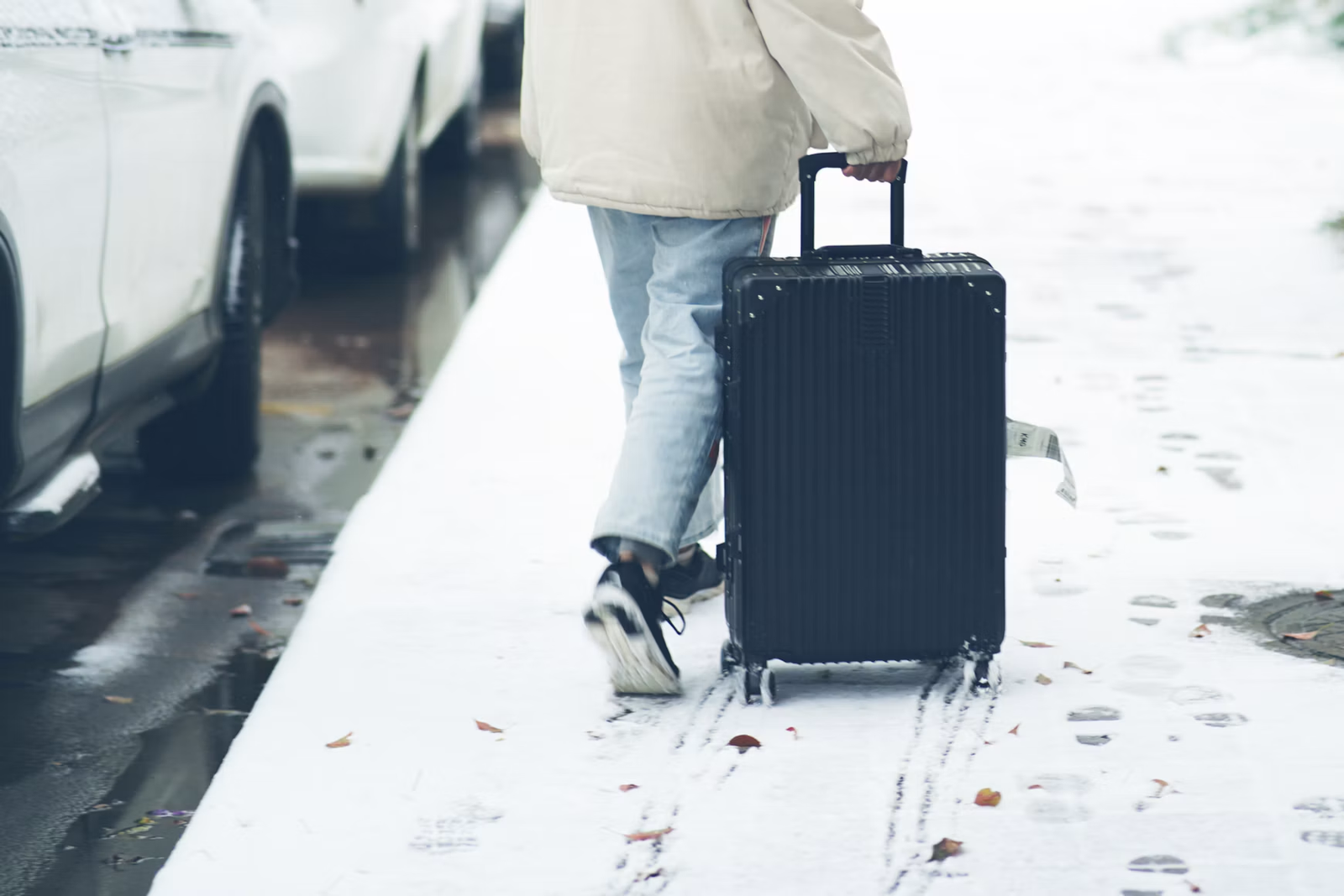 Image Credit: Unsplash
Keep Small Kids Warm and Entertained
Young children rarely stay comfortable at one temperature for an entire day. They may feel cold while waiting for transportation, get hot inside a museum and become chilly again when damp mittens go back on. Check their neck or upper back instead of relying only on cold hands, which don’t always show how warm the rest of the body feels.
Pack children’s gear in labeled pouches or reusable zip bags. One pouch can hold dry socks and gloves, while another contains snacks and wipes. Parents can find what they need without emptying the whole backpack onto a bench. Place the most frequently used items near the top and keep a plastic or waterproof pouch available for wet clothing.
Entertainment should be compact and usable in short bursts. Sticker books, washable drawing tablets, magnetic puzzles and downloaded audio stories work well during meals or transit delays. Pick two or three familiar activities instead of filling a bag with toys that may never leave the hotel. A child who gets overwhelmed by travel may also appreciate one small comfort item from home.
Schedule warming breaks before everyone feels exhausted. A 20-minute stop for a warm drink, snack or indoor exhibit can reset the mood and give parents time to adjust layers. Check the next destination while you’re indoors, use the restroom and make sure each child has dry accessories.
Families should also allow extra time between activities. Dressing two children for severe cold can easily take 15 minutes, especially when a missing mitten causes a last-minute search. That buffer helps you avoid rushing across slippery sidewalks or arriving stressed for a timed reservation.
Focus on Experiences Over Logistics
A packed schedule can look efficient on paper, yet winter changes how quickly a family moves. Heavy clothing slows down bathroom breaks, icy paths demand care and public transportation may require extra waiting. Choose one main activity for the morning and another for the afternoon, then treat anything else as optional.
Group activities by neighborhood to reduce repeated transfers. If a museum, lunch spot and indoor play area sit within a few blocks of one another, they can form an easy half-day plan. Families then have a nearby backup if the weather changes or someone needs to warm up. Save distant attractions for a separate day instead of crossing the city several times.
Thoughtful suitcase organization helps too. Guidance on packing bulky winter items recommends techniques such as folding items to fit the available space and reassessing what you truly need. Packing cubes can separate each family member’s clothing, though compressing insulated items too tightly may leave you with a difficult repacking job at the hotel.
Build a five-minute reset into the end of each evening. Hang damp layers, place boots where they can dry and return gloves to each person’s coat pockets. Refill the day bag and check the following day’s weather before going to bed. This quick routine prevents a frantic search in the morning.
The best winter itinerary leaves enough room for a child to examine fresh snow, linger over a favorite exhibit or enjoy an unexpected treat. When the bags are stored and everyone’s warm layers are easy to reach, those small moments get to shape the day.